
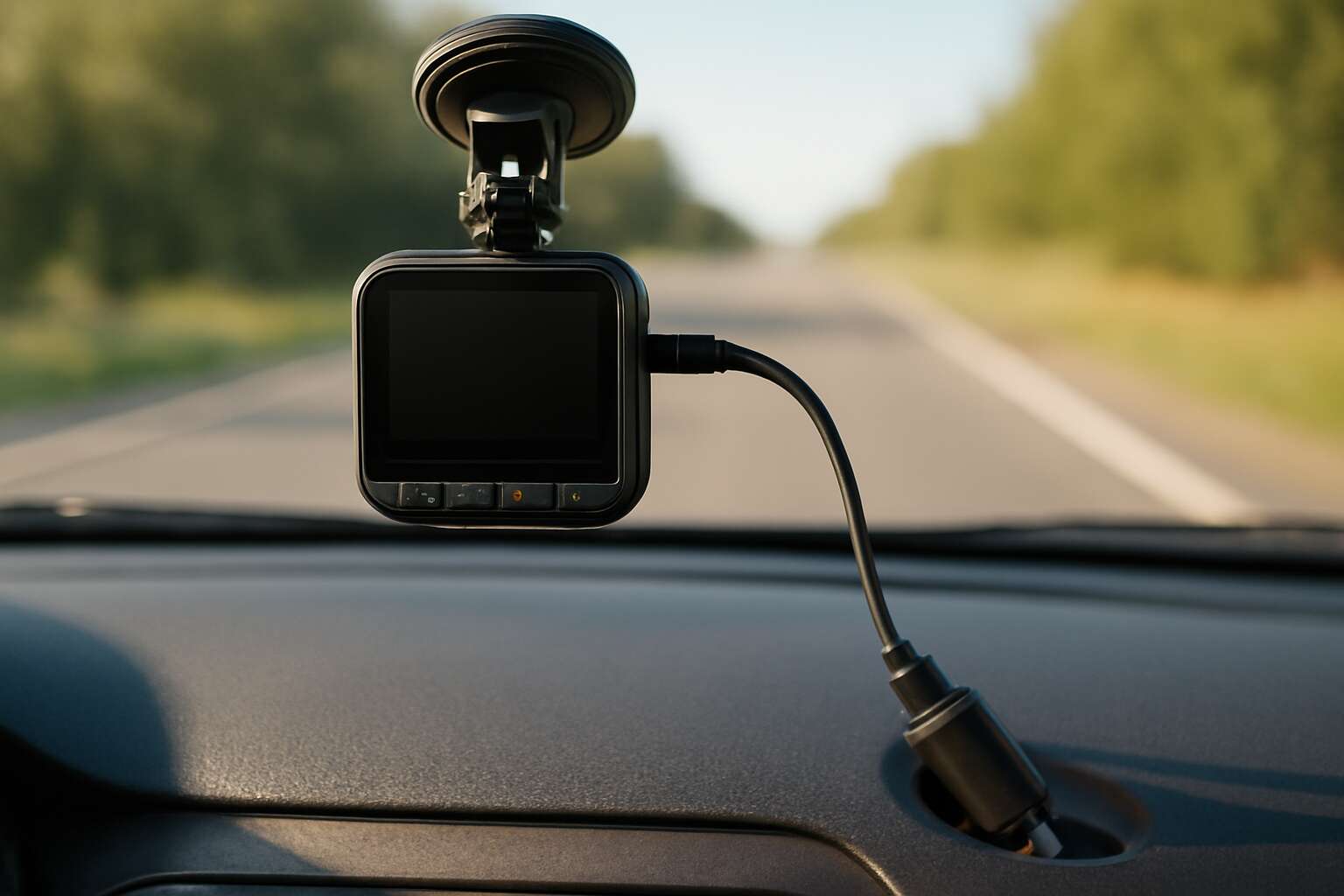
Do Dash Cameras Need to Be Plugged In? Core Power Requirements and Options
Hardwired vs Cigarette Lighter Power: Pros and Cons
Powering a dash cam isn’t glamorous, but it matters when the footage counts. So, do dash cameras need to be plugged in? In most setups, yes—especially for parking-mode capability. On South Africa’s bustling roads, that constant eye can be worth the tiny hassle.
Core Power Requirements and Options: Most dash cams run on a standard 12V vehicle supply. A built-in battery helps, but a steady feed is preferred for continuous recording. Two common routes exist: a quick cigarette-lighter plug, or a hardwired connection that taps into the fuse box.
Hardwired vs Cigarette Lighter Power: Pros and Cons
- Hardwired: Pros—unobtrusive power during parking; Cons—requires careful installation.
- Cigarette Lighter: Pros—easy to fit and remove; Cons—socket dependence and potential battery drain if left on.
For South African roads, the choice reflects practicality and budget.
Is a Built-In Battery Sufficient, or Do You Need to Plug In?
Across South Africa’s winding backroads, a dash cam is more than gadgetry—it’s a quiet witness. The truth is in the footage when it’s needed most. The question many drivers ask is do dash cameras need to be plugged in. The right power setup keeps the camera alive through busy days and long nights, turning what-ifs into reliable records.
Core power options lean on the familiar 12V supply, with a built-in battery offering a cushion but not a substitute for a steady feed. Is a built-in battery sufficient, or do you need to plug in? For most roads in our region, a discreet hardwired or cigarette-lighter connection ensures continued recording, even when the car sits in shading heat.
- Steady 12V feed supports continuous recording
- Battery backup helps during short power drops
- Parking-mode requires a constant supply to stay on
Power Requirements: Typical Voltage, Current, and Fuse Considerations
Power is the unsung lifeblood of dash cams, and South Africa’s road tapestries only underscore its importance. The question do dash cameras need to be plugged in is less about romance and more about reliability—without a steady feed, footage can vanish like water on a hot day. In most setups, the 12V supply under the dash is king, with options to hardwire discreetly or use the cigarette lighter.
- Typical voltage: 12V nominal for most cars; 24V in larger fleets may appear.
- Current draw: modest in standby, higher during parking mode or when GPS/IR sensors run.
- Fuse considerations: protect wiring with appropriate fuse (check manufacturer’s spec).
Battery backups offer cushion during brief power dips, but they don’t replace a constant feed for parking mode. The balance is a pragmatic compromise, and the question do dash cameras need to be plugged in remains central to any reliable setup.
Impact on Parking Mode, Event Recording, and File Saving
Power lines hum with quiet insistence as you drive, and reliability becomes the real romance. In South Africa’s road mosaic, footage can vanish in a blink if power falters. do dash cameras need to be plugged in, or can a battery hold watch? The answer echoes through every rut and crest.
Core power demands center on a 12V norm for most cars; 24V may appear in fleets. Current draw stays modest at rest but rises in parking mode and with GPS or IR sensors. A properly fused line safeguards wiring and preserves footage integrity.
Options to keep the feed steady include:
- Hardwired into the vehicle’s fuse box
- Cigarette-lighter connection with a smart adapter
- Dedicated battery backup for brief power dips
With any choice, parking mode and event saving stay under watch.
Best Practices for Power Cycling and Startup Behavior
Footage fades where power falters, and in South Africa’s road mosaic, reliability becomes a quiet, intimate companion. In urban sprawl and the Highveld alike, more than 40% of dash-cam clips vanish at the first tremor of a power dip. So, do dash cameras need to be plugged in? The answer leans practical: for most vehicles, a 12V supply is standard, with 24V encountered in fleets; current draw stays modest at rest but swells during parking mode, GPS, and infrared sensing.
Smart installation hinges on a properly fused circuit that preserves the footage’s memory and the car’s nerves. I’ve watched a single dip wipe a memory clean, and it changes how we think about power. The choice between hidden hard-wiring, a cigarette-lighter setup, or a compact backup battery all influence startup behavior and parking-mode stability, shaping how well clips survive the ride!
Battery Life, Safety, and Longevity with Dash Cameras
Battery Drain and Parking Modes
Footage doesn’t lie on SA roads; as one safety advocate quips, “the truth is in the replay!” The practical question is do dash cameras need to be plugged in, and the answer hinges on how much of the day the camera records and how the power system is designed.
Battery life is about more than a single charge. Parking modes extend coverage but can drain the vehicle battery or starve other electronics if power draw isn’t balanced. High-quality capacitors tend to outlast built-in batteries, offering greater longevity in hot climates common to SA summers.
To weigh priorities, consider these factors:
- Power draw during parking mode
- Battery health vs. capacitor-based designs
- Electrical system compatibility
Over time, careful consideration of where the camera is placed and how it interacts with the car’s electrical system supports safety and longevity, ensuring essential footage remains accessible without compromising the vehicle’s reliability.
Electrical Safety: Fuses, Grounding, and Insulation
SA drivers increasingly count on dash cams as witnesses, with seven in ten saying footage helped resolve a dispute. “Footage is only as reliable as the power behind it,” a safety advocate notes, and that truth frames our question. In scorching summers, heat stress makes power management more than a luxury—it’s a safety issue that affects reliability.
Electrical safety hinges on robust fusing, proper grounding, and sound insulation. Fuses guard circuits from surges; grounding anchors the circuit to the chassis; insulation protects wiring from heat and moisture—together they extend life and prevent hazards. In my experience, a well-balanced setup feels quieter and steadier under the hood.
- Fuses guard circuits from overcurrent and protect the vehicle’s electronics
- Proper grounding provides a stable return path and reduces electrical noise
- Insulation guards against heat, vibrations, and moisture common on SA roads
So, do dash cameras need to be plugged in? The answer hinges on power design, including whether the unit uses capacitors or a built‑in battery and how parking mode is managed. Plugged‑in configurations can deliver continuous capture while preserving the vehicle’s electrical balance.
Surge Protection and Handling Vehicle Voltage Variability
Power is the quiet sentinel on South Africa’s roads, especially under the blistering sun where heat gnaws at electronics. Battery life and longevity hinge on how a dash camera handles sustained draw and voltage wobble. “Footage is only as reliable as the power behind it,” a safety advocate notes, framing the question: do dash cameras need to be plugged in?
- Surge protection keeps spikes from frying sensors
- Voltage regulation smooths peaks when engines start or fans race
- Thermal-aware components extend life in SA heat
I’ve watched units endure long shifts when connected to a steady supply, a subtle magic that preserves quality without draining the vehicle’s reserve. When surge protection and voltage handling are strong, the clip remains crisp through heat and vibrations.
Power Demand of Dual-Channel Dash Cams
Power is the unseen regulator on South Africa’s roads, and dual-channel dash cams pull a heavier, steadier load than single cams, like a silent guardian. When the supply is steady, battery life grows longer and heat-induced skews stay at bay.
- Dual-channel power draw means more consistent operation and fewer dropouts in parking mode.
- A steady supply guards longevity by reducing voltage sag and thermal stress.
- Proper plugging keeps the camera from nibbling at the vehicle battery during long shifts.
This begs the question: do dash cameras need to be plugged in? In SA heat, a reliable, plugged-in setup guards safety and preserves crisp footage when every second counts.
Cold Weather and Battery Performance
In cold snaps, battery capacity can drop by up to 20%, turning a routine drive into a test of endurance. The answer to do dash cameras need to be plugged in may seem obvious, but the real story is about reliability under pressure.
Safety wise, consistent power means the camera wakes reliably and records when it matters most. Longevity? It minimizes voltage sag and thermal stress, keeping the sensor, lens, and memory happier during long shifts in a South African winter.
- Steadier voltage that guards footage integrity
- Reduces sudden dropouts during cold starts
- Less thermal cycling stress on internal components
When the power remains stable, footage stays crisp and the device avoids heat-induced surprises on the dashboard, a quiet win for drivers. The climate of SA makes plugged-in operation a prudent guard for the built-in brain that watches the road.
Installation Scenarios and Use Cases for Power Options
Temporary Plug-In Setup for Rentals or Short-Term Use
In rental fleets across South Africa, the question: do dash cameras need to be plugged in. Short-term use calls for flexibility, not permanence, and temporary plug-in options keep dashboards tidy while capturing footage.
Here are common installation scenarios for temporary power in rentals or short-term use:
- Airport car fleets that rotate vehicles daily, needing quick, non-permanent power taps
- Ride-hailing cars that swap devices between vehicles between trips
- Showroom test drives where power runs only for demos
In such environments, a nimble plug-in strategy delivers reliability without altering the interior or triggering security concerns—especially true in South Africa, where convenience and safety coexist on every route.
Permanent Hardwired Installations for Cars and Fleets
In permanent hardwired installations, dash cams shed their temporary status and join the fleet’s backbone. Across South Africa’s varied roads, reliability isn’t a luxury—it’s a liability if your cameras dip out mid-shift. Permanent power taps ensure cameras awaken with the ignition and stay ready for the long haul, while neatly routed cabling preserves cabin aesthetics and reduces tampering risk. Do dash cameras need to be plugged in? In this realm, yes—that’s the baseline expectation, and a sign of professional-grade readiness.
Typical permanent hardwired installation scenarios include:
- Fleet-wide installations for corporate and rental fleets, where a centralized harness provides continuous power to multiple cameras without clutter.
- Taxi, rideshare, and shuttle services requiring tamper-resistant wiring and clean routing to accommodate frequent vehicle swaps and interior reconfigurations.
- Dealership demo cars and long-term test vehicles that rely on a discreet, built-in power supply to support continuous logging and telematics during demonstrations.
Cable Management and Aesthetic Wiring Solutions
Across South Africa’s road tapestry, downtime costs fleets dearly, a figure that keeps managers awake at night. In this climate, power design is survival, not luxury. do dash cameras need to be plugged in is not a question here; it is the heartbeat of a professional install, from taxi yards to corporate fleets and dealership demo cars.
Power options and cable management must be discreet and robust, marrying function with form. Clean routing preserves cabin space and deters tampering while intelligent taps wake cameras with ignition. Indeed!
- Concealed loom paths through headliner and kick panels
- Under-seat conduits and floor channels for flexible reconfigurations
- Tamper-resistant connectors and locking harnesses for rental fleets
These aesthetics shield reliability on long hauls and in urban corridors, letting the fleet breathe while the cameras watch.
Legal, Insurance, and Privacy Considerations for Wiring
Across South Africa, downtime costs fleets dearly; an industry pulse estimates it at up to 25% of operating expenses. In this climate, power design is survival. do dash cameras need to be plugged in is not a mere curiosity—it’s the heartbeat of a professional install, from taxi yards to fleets and dealership demos.
Power options and cable management must be discreet and robust, with filtration of heat and tamper resistance. Within this framework, three considerations rise to prominence:
- Legal: wiring must align with statutory standards, data governance, and consent where applicable.
- Insurance: verifiable, tamper-resistant installations support claims and audits.
- Privacy: data minimization, access controls, and clear retention practices.
Scenarios abound—from urban taxi corridors to long-haul fleets and dealership demonstrations—where discreet, flexible wiring supports reliable footage without compromising aesthetics. In every case, the aim is unobtrusive reliability that lets the cameras watch while the vehicle and its occupants continue their day.
Dash Cams in Electric Vehicles: Power Nuances
Night-blue streets in Johannesburg, a city of neon and noise, remind fleet operators that power design is survival. In electric vehicles, the line between vigilance and vanity is thin, and the camera’s accuracy hinges on steady supply. So, do dash cameras need to be plugged in? Not for vanity, but for reliability—hidden cabling, heat-aware routing, and tamper-resistance that stays quiet as a shadow.
From taxi yards to showroom floors, scenarios vary, demanding discreet endurance and adaptable power schemes.
- Urban taxi corridors and curbside power planning
- Fleet depots with flexible, removable power for test drives
- Dealership demonstrations balancing aesthetics with data capture
Like a quiet heartbeat, it guides the camera through the city’s pulse, where reliability and aesthetics share the same breath.
Power Options Across Dash Camera Models
Battery-Powered Dash Cams: When They Make Sense
Power options across dash camera models read like a boulevard of choices, especially for South African roads that zigzag from inner-city traffic to sun-baked highways. Battery endurance can transform a cam from a curiosity to a steadfast witness when the grid is unreliable or the vehicle rests in long, quiet parking bays.
Battery-powered setups shine in specific scenarios.
- Temporary deployments in car-sharing programs or rented vehicles
- Parking-mode use in locations where running a power cable is impractical
In the end, the best power plan respects the car, the driver, and the horizon—balancing charge draws with storage capacity and climate. The enduring question remains: do dash cameras need to be plugged in?
Hardwired Dash Cams with Backup Batteries
Across South Africa’s winding routes, a dash cam is more than a device; it is a patient witness to the day’s dramas. The power question lingers on every ride: do dash cameras need to be plugged in? The answer, like a long road, has many lanes.
Power options span soft endurance and hard certainty. Hardwired dash cams with backup batteries offer constant recording when the grid falters or the car rests in quiet parking bays.
- Reliability during off-grid parking and load-shedding hours
- Cleaner installation with minimal cabling
- Preserved footage integrity when the engine is off
In a land of diverse climates and traffic, the best setup balances charge draw with storage and temperature. The horizon will reward a plan that lets the camera witness the journey, quietly and faithfully.
12V Cigarette Lighter Adapters: Convenience versus Reliability
Across South Africa’s roads, dash cam adoption has risen by over 20% in the past year, a statistic that frames every road-time decision. 12V cigarette lighter adapters offer a tempting blend of convenience and immediacy, letting you power a camera without a professional install! Yet reliability on the move can waver when the engine sleeps or a long parking spell follows a grueling commute.
Consider this quick balance:
- Convenience versus reliability: plug-and-play freedom versus constant power stability.
- Voltage and current draw: small adapters can spike battery drain if left on in parking mode.
- Durability: quality adapters protect the camera from voltage fluctuations and surges.
The perennial question: do dash cameras need to be plugged in. The right setup keeps footage intact while respecting vehicle systems and South Africa’s varied climates.
Integrated Power Management Features and Auto-Start
Across South Africa’s roads, dash cam use has surged by about 20% in the past year, turning ordinary drives into memory banks. Power options now range from plug-and-play to integrated management that respects the vehicle’s rhythm.
Integrated power management features act as a calm conductor, coordinating voltage and wake signals so footage stays intact. do dash cameras need to be plugged in, not necessarily—the right setup uses smart control to balance protection with the car’s health.
In the field, temperature swings and dusty roads test systems; here are the essentials.
- Smart Auto-Start aligning wake with engine
- Voltage regulation and surge protection
- Efficient parking-mode management
Footage preserves memory and meaning, even on long gravel days.
Smart Parking Mode: Power Implications and Settings
Across South Africa’s roads, dash cam adoption has surged by about 20% over the past year, turning routine trips into rolling memory banks. Power options now range from plug-and-play to integrated management that respects the vehicle’s rhythm. Do dash cameras need to be plugged in? Not always—the right setup uses smart control to balance protection with the car’s health, especially under high heat and extended drives.
Smart Parking Mode acts as the quiet conductor. It aligns wake signals with the engine and uses voltage regulation to minimize drain while keeping crucial footage accessible when parked, jolted, or cornered by traffic. The following power dynamics matter:
- Voltage regulation and surge protection
- Wake-signal coordination to avoid phantom starts
- Low-power standby that preserves memory
Footage remains usable after long gravel days and dusty commutes, thanks to this measured approach to energy use.
Troubleshooting Power Issues and Maintenance
Diagnosing No Power: Check Fuses, Wiring, and Vehicle Switches
On South Africa’s winding roads, reliability is a quiet luxury. Power hiccups quietly erase crucial footage, and the road keeps moving. One question lingers: do dash cameras need to be plugged in. Clarity and security ride on steady energy.
Troubleshooting starts at the heart of the setup: fuses, wiring, and the vehicle switch. A blown 12V fuse can silence the cam; corroded terminals cut the feed; the ignition switch can interrupt power during start. A quick voltage check reveals the truth.
- Fuses and the 12V circuit: watch for signs of damage or a blown fuse.
- Wiring and grounding: look for wear, corrosion, or loose connections.
- Ignition timing: consider how the feed behaves as the engine starts.
Maintenance is mindful, not fussy. Keep connectors clean, routes tidy, and shields in place. After rough roads, recheck power paths—a small adjustment today prevents a silent witness tomorrow.
Unexplained Power Drain and Battery Health
On South Africa’s winding roads, a dash cam is more than a gadget—it’s a memory keeper that demands a steady heartbeat of power. When energy hiccups strike, crucial footage can vanish in the blink of a starter’s swirl. Troubleshooting power issues begins with the hidden backbone of the setup: the feed that keeps the camera awake as the road rolls on from dawn to dusk.
Signs of unexplained power drain whisper from the shadows: a camera that reboots, or a file saving hiccup after a quiet start. To illuminate the culprit, consider these gentle clues:
- Parasitic loads from aftermarket accessories and sensors
- Aging vehicle battery and voltage fluctuations
- Extreme temperatures that strain the supply
Maintenance is mindful, not fussy: tidy cables, secure mounts, and careful routing to prevent pinches. Keep connectors clean and check for signs of wear after rough roads. And in the end, the lingering question remains—do dash cameras need to be plugged in—for steady, dependable witnessing?
Firmware Updates and Power Management Settings
South Africa’s roads have a knack for turning a routine drive into a test of nerve. A dash cam is more than a gadget; it’s a memory you won’t regret keeping. You might ask, do dash cameras need to be plugged in? Often yes, but it depends on your camera’s parking-mode ambitions and power-supply design.
Maintenance is the quiet engine here: keep firmware fresh, back up footage, and watch for corrupted saves. Firmware updates fix bugs, tighten security, and improve power management, so you won’t chase ghosts after a long road trip. If the device misbehaves, a staged update can save hours of frustration.
Power management settings are your ally on hot days and long hauls, balancing recording reliability against battery health. They let the camera wake just enough to catch events without draining the car’s starting power.
Cable Quality, Connectors, and Weather Exposure
South Africa’s sun-scorched commutes have a knack for turning a routine drive into a memory mosaic. A dash cam is less gadgetry and more a quiet witness, especially when the traffic theatrics kick in. The often-asked question: do dash cameras need to be plugged in? The answer depends on parking-mode ambitions and the camera’s power design. Across South Africa, one in three drivers reports that dash-cam footage helped resolve a dispute or clarify fault.
Power issues usually masquerade as glitches: record bursts that vanish, or the device staying silent at key moments. Maintenance—cable quality, connectors, and weather exposure—keeps the whole affair reliable.
- Loosened connectors from daily vibrations
- Chafed or sun-faded cables
- Moisture ingress at mounting or grommet points
On SA roads, investing in robust cables and weatherproof housings pays dividends in clear footage and peace of mind; a tidy setup is a safeguard against the unpredictable, and a small flourish of order amid the chaos.
When to Seek Professional Installation or Replacement
Troubleshooting power issues on South Africa’s highways is part art, part detective work. When the footage goes MIA at the exact moment an incident unfolds, you start asking: do dash cameras need to be plugged in? The truth hinges on parking-mode ambitions and how the device draws power while the car sits idle, a nuance many motorists discover too late.
In the long run, maintenance is a matter of foreseeing issues before they stage a dramatic exit. Common culprits include:
- Loosened connectors from daily vibrations
- Chafed or sun-faded cables
- Moisture ingress at mounting or grommet points
When symptoms persist or the vehicle’s electrical system behaves oddly, a professional installation or replacement is often the wiser path. A pro can assess power architecture, verify safety, and ensure the setup remains reliable under South Africa’s punishing heat and taxicab-level stop-and-go.

0 Comments