
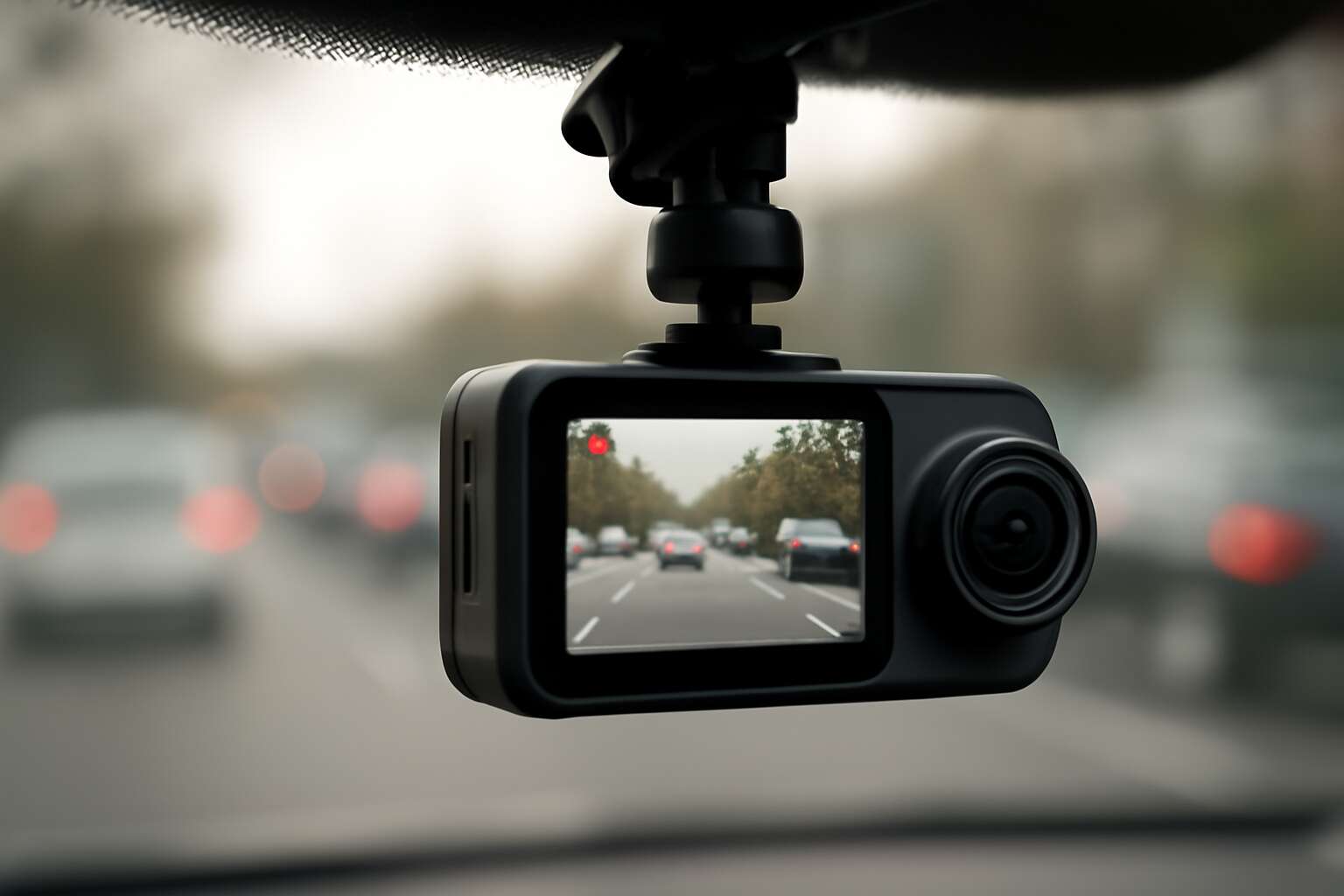
Are dash cameras legal: comprehensive outline
Regional legality overview
Footage is a quiet witness to triumph and tremor on South Africa’s sunlit highways. It catches the morning glare and the late-night sighs of a nation in motion. A dash cam turns a routine drive into a moving memory, savoring the beauty and acknowledging the fragility of every mile.
In South Africa, the question ‘are dash cameras legal’ remains nuanced; their presence is generally permitted, yet privacy rules govern how footage is stored and who is recorded.
Here are the regional touchpoints to consider:
- Admissibility of dash cam footage in court and how it is treated as evidence
- Privacy boundaries and audio recording limitations
- Data protection, storage, and retention requirements under POPIA
In the end, these devices offer a luminous lens on the road’s poetry and peril, inviting reflection rather than instruction.
Privacy and consent considerations
Across South Africa’s sunlit highways, the lens becomes a witness to memory and risk. The question ‘are dash cameras legal’ is nuanced: generally permitted, yet privacy rules shape every frame. A road-safety voice whispers, ‘The lens speaks where words stumble.’
When privacy enters the frame, consent and context govern what we capture, store, and share. Audio recordings, in particular, invite caution; many conversations fall under strict protections, and retention should reflect necessity rather than convenience.
- Notice and awareness of recording in shared spaces
- Minimal data capture and purpose limitation
- Secure storage and regulated access
In this lens, the road’s poetry is preserved without eroding trust, inviting contemplation rather than coercion.
Evidence and admissibility rules
Across South Africa’s roads, dash cameras are becoming a familiar chorus of glass and light; studies hint that one in four fleet operators rely on footage for accountability. The question “are dash cameras legal” sits at the crossroads of memory and law, where evidence rules temper the impulse to record. In South Africa, footage can be admissible if properly authenticated and handled with care for privacy and context, ensuring that every frame speaks truth without overstepping rights.
Evidence and admissibility hinge on several pillars that guide courts and insurers alike:
- Authentication of footage and metadata, including timestamps and device make/model
- Chain of custody from capture to submission to the court or insurer
- Limitations on disclosure and retention, with clear redaction where needed
- Considerations for audio where conversations may be protected
When framed respectfully, the lens becomes a witness that clarifies incidents while preserving trust in the legal process, inviting contemplation rather than coercion.
Installation, usage and safety compliance
On the road, installation quality is half the battle. When you ask are dash cameras legal, the answer hinges on proper mounting and a clear view. This section outlines installation, usage and safety practices that keep footage useful and drivers protected.
- Visibility considerations to avoid obstructing the driver’s view
- Power source considerations that support reliable operation
- Cable management principles to minimize hazards
- Recording settings balancing storage and clarity
Usage and safety concerns remain critical: keep the device unobtrusive and ensure it does not distract the driver or violate road rules. A whisper of caution lingers: mistakes can haunt a claim in a dispute.

0 Comments