
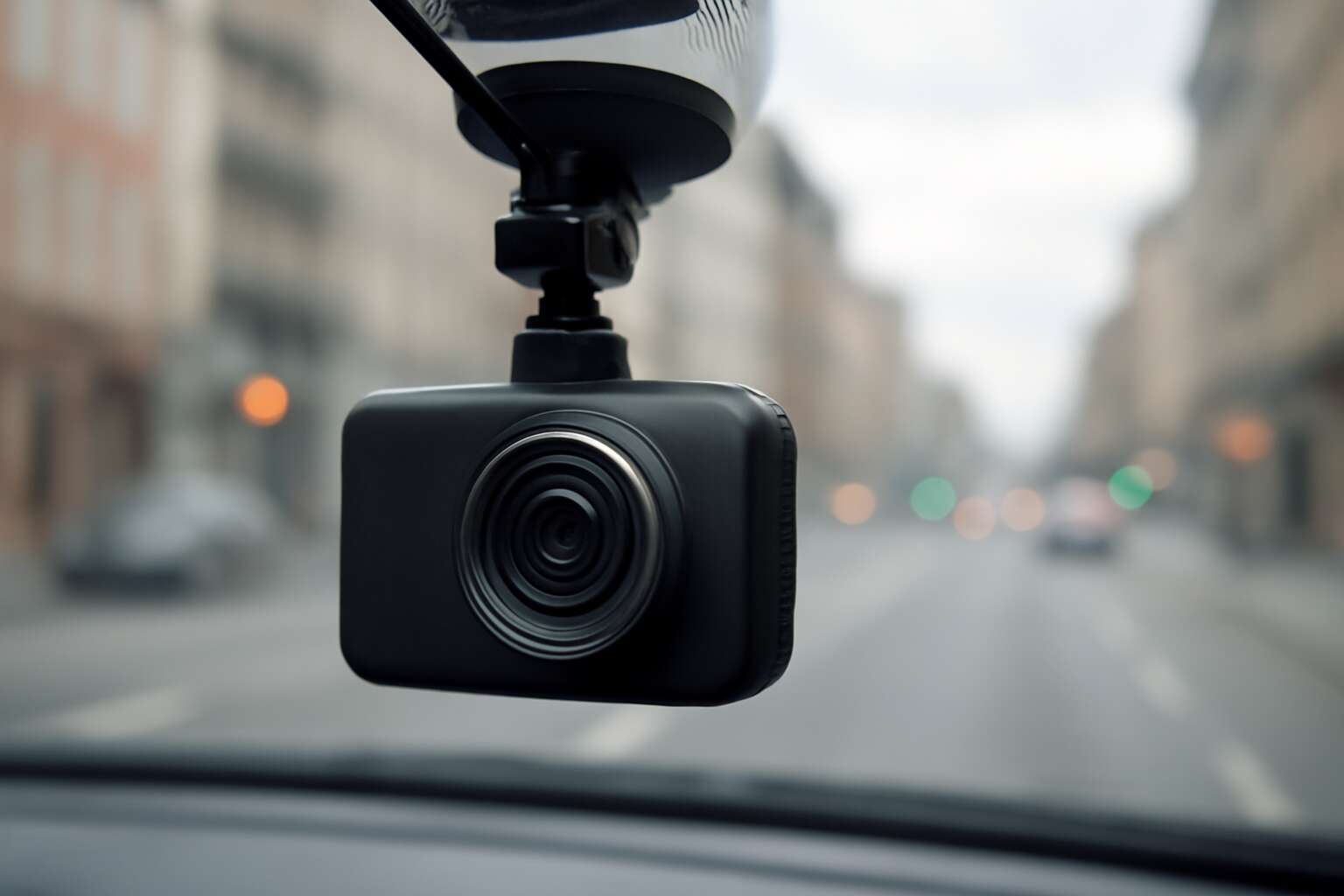
Legal landscape of dash camera usage
Global legality overview
Across the world, dash cameras watch the trembling road like watchful gargoyles. A line of truth forms in the night: ‘A silent witness never lies.’ The legal landscape is a mosaic: some places allow them freely, others clamp with privacy caveats. So, are dash cameras illegal? Not universally. The answer is measured by jurisdiction, purpose, and how footage is stored and shared.
Where you roam, the rules echo like a pulse. A global snapshot here for readers who crave nuance, not fear.
- Europe and the UK permit dash cameras with privacy safeguards
- North America allows them with consent and data handling rules
- South Africa’s POPIA framework shapes storage and use of footage
In South Africa, ethics of recording matter as much as the capture itself.
Country-by-country rules
“A silent witness never lies,” a veteran investigator once told me, and the road often keeps its secrets. The widely asked question—are dash cameras illegal—begs nuance over fear. The question hinges on jurisdiction and intent, but the discipline of recording invites a cautious ethics that shadows every frame and every encounter on the public or semi-public space.
In South Africa, the philosophical weight of recording sits alongside the practical frameworks of POPIA. The primary rule: footage is personal data; processing requires a lawful basis, purpose limitation, and secure storage. Ethically, bystanders’ consent, minimal capture, and transparent retention timelines shape whether footage can be used or shared.
- POPIA governs processing
- Consent and purpose matter
- Storage, access, and sharing controls
Beyond SA borders, the rulebook is more cautious than punitive, a reminder that safety and privacy must balance.
Using dash cams in vehicles by scenario
A recent road-safety survey finds that 54% of urban drivers now rely on dash cams to capture what the naked eye misses. The question—are dash cameras illegal—drops away when you map use to place and purpose. In South Africa, the legal landscape is anchored not in a blanket ban but in how footage is processed under POPIA: personal data, lawful basis, purpose limitation, secure storage.
Scenario-driven usage reveals the spectrum: a private motorist recording an accident for insurance clarity; a fleet operator storing clips to improve training while enforcing data-minimising practices; a taxi or rideshare vehicle balancing rider privacy with accountability. The key is consent, data minimisation, and secure retention timelines that align with ethics and the law—proof that are dash cameras illegal becomes a question of how, not whether, they are used.
Commercial fleet vs personal use
In South Africa, the law surrounding dash cameras is a murky cathedral of rules, not a forbidden ruin. The real question are dash cameras illegal? is answered not by prohibition but by how footage is treated under POPIA—data, purpose, consent, secure storage. Fleet operators and private drivers inhabit different corridors of the same building, one more auditing, the other more intimate, yet both steered by the same moral compass.
- Consent and purpose alignment across the vehicle and its occupants
- Data minimisation and secure storage to protect identity and location
- Retention timelines that respect ethics and the law, avoiding needless surveillance
Within this framework, commercial fleets wear their cameras as threads in a wider tapestry—insurance, training, accountability—while personal use remains a quiet vigil, where privacy drapes the instrument as much as the evidence.
Privacy, consent, and recording laws
Surveillance and consent requirements
Glittering on dashboards, cameras promise clarity and accountability. Yet the question lingers: are dash cameras illegal? “Privacy is not a luxury, it’s a right,” rings through South African law, guiding both road safety and dignity.
In this jurisdiction, POPIA governs how footage is processed. Most recordings are personal data when they capture faces or plate numbers, so the purpose, retention, and security of that data matter. Audio capture adds another layer of consent and privacy complexity, even before sharing clips with insurers or authorities.
- Data minimisation and purpose limitation
- Handling of faces and plate numbers in public view
- Secure storage and responsible retention
As the road to legality winds on, the balance between evidence and privacy remains a living, evolving guide for drivers and fleets alike.
Public vs private spaces recording
“Privacy is not a luxury—it’s a right,” a refrain that echoes in SA courts and on the open road. Are dash cameras illegal? Not outright; legality hinges on how footage is treated. Under POPIA, most recordings that capture faces or plate numbers constitute personal data, so purpose, retention, and security are front and center. Add audio, and consent and privacy concerns multiply, even before sharing with insurers or authorities.
To stay within the law while gathering clear evidence, align with these guiding principles:
- Data minimisation and purpose limitation
- Handling of faces and plate numbers in public view
- Secure storage and responsible retention
As the road to legality evolves, the divide between public footage and private lives remains delicate—balance curiosity with respect for privacy in every recording.
Audio recording restrictions
“Privacy is not a luxury—it’s a right,” a refrain that still echoes on SA roads. Are dash cameras illegal? Not outright; legality hinges on how footage is treated. Under POPIA, most recordings that capture faces or plate numbers constitute personal data, so purpose, retention, and security are front and center. Add audio, and consent and privacy concerns multiply, even before sharing with insurers or authorities.
To stay within the law while recording, consider these realities when audio is present:
- Audio recordings introduce consent requirements where law applies
- Faces and license plates are personal data under POPIA and should be handled carefully
- Secure storage and responsible retention protect everyone involved
As the road to legality evolves, the divide between public footage and private life remains delicate—balance curiosity with privacy in every recording. From dusty backroads to town streets, the path to clarity is paved by thoughtful data practices, not gadgets alone.
Data retention and access rights
Footage on our roads is currency—and privacy is the guardrail. People ask, are dash cameras illegal, and the truth is tangled: legality hinges on how footage is treated.
Under POPIA, anything that reveals faces or license plates is personal data. If your camera captures audio, consent becomes a sharper edge, and storage must be secure with a defined retention period.
Data retention and access rights aren’t afterthoughts—they shape who can view clips, how long they stay, and how corrections are handled.
- Retention windows tied to purpose and consent
- Access controls, logs, and breach responses
- Data subject rights: access, correction, deletion requests
Amid the evolving road code, the line between curiosity and privacy holds firm.
State and national regulations examples
United States dash cam laws by state
The U.S. market for dashboard optics is a mosaic—some states embrace footage as a safety tool, others guard privacy more zealously. The central question: are dash cameras illegal? Not uniformly, but the gap between jurisdictions highlights how consent, public vs private contexts, and data handling shape what’s permissible nationwide.
- Audio consent: many states require all-party agreement before capturing conversations.
- Placement and context: filming near homes, workplaces, or sensitive venues triggers privacy protections.
- Custody and sharing: retention periods, access rights, and permissible use vary by state.
For South Africa, these variations underscore why local policy matters and how global tools must be interpreted through a domestic lens.
UK and EU rules
The UK leans on data protection rules to shape dash cam legality. The Data Protection Act 2018 and GDPR treat footage of identifiable people as personal data, so retention and access are limited. Across the EU, GDPR governs storage, sharing, and use, with privacy-by-design baked into hardware and software. In both regions, transparency and purpose limitation keep cameras from becoming neighborly surveillance devices.
- Data minimization
- Clear retention periods
- Access controls and encryption
For South Africa, the question ‘are dash cameras illegal’ plays out differently at home. The UK and EU show that consent, context, and data handling matter more than the gadget itself. In practice, responsible setups can deliver safety benefits while avoiding privacy headaches.
Canada and Australia specifics
Across borders, the question are dash cameras illegal persists, shaped more by privacy law than by hardware. In Canada, video footage is treated as personal data under PIPEDA and provincial privacy acts, so consent, purpose and retention matter.
- Canada: PIPEDA and provincial privacy statutes govern video data, emphasizing consent, purpose limitation, and reasonable retention.
- Australia: the Privacy Act 1988 and Australian Privacy Principles apply nationally; some states have additional surveillance-device laws; audio recording may require consent.
For South Africa readers, these patterns show that legality hinges on data handling, not the camera label. In Canada and Australia, responsible use with clear notices, limited data retention, and privacy-first design helps keep dash cams as safety tools rather than surveillance.
Penalties for non-compliance
Road ethics meet digital risk in a sunlit landscape where every lane holds a story. Penalties for misusing footage sting harder than a speeding ticket. People ask, are dash cameras illegal, but in South Africa the hardware isn’t the issue—the data you collect and how it’s used is what invites scrutiny.
Under POPIA and related privacy laws, even a harmless clip can become a legal risk if it is mishandled. Penalties for non-compliance can include administrative fines, civil damages, and criminal charges, depending on intent and scope.
- Administrative fines under privacy statutes
- Civil damages for privacy breaches
- Criminal charges for deliberate interception or data misuse
Footage that respects consent, purpose limitation, and retention thresholds stands as a safety tool rather than a surveillance instrument.
Insurance and liability considerations
In South Africa, the legal frame around dash cameras centers on what happens to the footage, not merely the gadget. State and national regulations shape data collection, storage, and use, with privacy statutes and transport rules guiding everyday use and liability. People often ask, are dash cameras illegal, and the answer hinges on data handling rather than the hardware.
Regulatory examples that affect insurance and liability include:
- POPIA compliance: clear consent, data minimization, and secure storage to avoid misuses of footage.
- Insurance and liability: some policies reward proper recording practices, while others require specific retention and access controls for claim resolution.
- Retention and access rules: defined timeframes for keeping clips and strict controls on who may view them during investigations or disputes.
That intersection shapes how footage is used in claims, investigations, and civil disputes, rather than simply serving as a recording device.
Practical guidance for complying
Choosing compliant hardware
Across South Africa, dash cams have moved from novelty to practical witnesses on our roads. Adoption has surged as drivers seek accountability after accidents and insurance disputes. In dialogue with readers, ‘are dash cameras illegal’ is a common refrain, and the reality is nuanced—the device’s legality hinges on usage, storage, and access. For compliant operation, start with hardware that respects privacy and durability.
Practical considerations include selecting gear with privacy-minded controls and robust data handling. Consider these hardware criteria:
- Discrete, vibration-protected mounting that won’t distract or block vision
- Reliable power and storage with tamper-evident features
- Clear date/time stamps and GPS routing context
- Option to disable audio or limit recording to consent-compliant modes
With the right kit, you gain reliable evidence and peace of mind while avoiding friction with authorities and insurers. The aim is to balance visibility with consent, especially on busy roads and in areas with privacy expectations.
Labeling and signage requirements
In South Africa’s night-slick streets, every lens feels like a quiet witness. are dash cameras illegal? The answer is not a verdict but a balance—lawful use hinges on consent, visibility, and disclosure rather than the hardware itself. When signage shines and access policies are clear, recording becomes a transparent ally rather than a forbidden shadow.
Practical guidance for complying begins with visible indicators and privacy-minded disclosures. Ensure signage on the vehicle informs bystanders that recording may occur and provide a brief privacy notice where practical. A discreet tamper-evident label and a plain data-access summary help keep the record honest.
- Visible, unobtrusive indicators when recording
- On-vehicle notices and privacy statements
- Clear retention and access rights in plain terms
Data management and deletion policies
Across South Africa’s highways, 68% of drivers admit to recording incidents with dash cams, turning the road into a silent witness. The question ‘are dash cameras illegal’ isn’t a verdict—it’s a policy puzzle about consent, visibility, and how footage is managed, stored, and disclosed.
Effective data management rests on clear retention and deletion policies that respect privacy while preserving evidence. To keep things transparent, implement these basics:
- Retention durations aligned with stated purpose
- Secure deletion methods and verification
- Explicit access controls and audit trails
It’s practical, not punitive—policy clarity redefines what’s permissible!
Publish straightforward data-access notices and privacy summaries so bystanders and drivers understand their rights. When these elements are in place, recordings become a responsible record rather than a shadowy archive. Ultimately, broad governance makes the legal question moot.
Using dash cams for evidence in legal proceedings
Roadside testimony wears a quiet glow on South Africa’s roads when a dash cam captures a moment that deserves fairness, not spectacle. The question ‘are dash cameras illegal’ is a policy puzzle—one about consent, visibility, and the journey of footage from lens to legal paper. In practice, evidence benefits from a culture of respect: footage should be treated as part of the record, not a hidden souvenir. When used thoughtfully, dash cams give courts a reliable narrative, provided authenticity and context remain intact.
- Purpose-bound framing of footage for legal relevance
- Clear access controls and transparent disclosures
- Consistent, tamper-evident handling and documentation
That governance makes the line between prohibition and permission fade into the background, and the question ‘are dash cameras illegal’ becomes a moot point as recordings turn into responsible witnesses rather than shadowy archives.
Incident response best practices
Footage from South Africa’s roads is becoming a trusted witness in disputes, and the scene is shifting from spectacle to accountability. The question ‘are dash cameras illegal’ lingers in policy conversations, but a disciplined incident response approach can make recordings a reliable part of the record rather than a legal curveball.
Practical guidance for compliant incident response starts with clear ownership, tamper-evident logging, and transparent disclosures.
- Establish a clear chain of custody for dash cam footage
- Implement access controls and logs to record who viewed or exported footage
- Set data retention and deletion policies aligned with legal requirements
In the South African context, POPIA governs storage, sharing and deletion, and the incident response must reflect that framework with restricted access and documented approvals. When governance is robust, dash cam footage supports fairness without becoming a privacy breach.
Common myths and misconceptions
All dash cams are illegal myth
On South African roads, a surprising truth greets you with the ring of the camera: the idea that are dash cameras illegal is one of the loudest myths. “The camera never lies,” a veteran driver once told me; “it records what happened.” In reality, these devices are broadly permitted when used responsibly and with regard to privacy. The misconception thrives where fear of surveillance meets bureaucratic fog. To separate fiction from fact, consider these common myths:
- are dash cameras illegal
- Dash cams automatically breach privacy and are banned
- Footage from dash cams is never admissible in court
Reality is more nuanced. Dash cams can boost safety and aid fair insurance outcomes when data practices and consent are clear. The point isn’t prohibition but context: where, how, and how long footage is stored shapes legality and trust on South African roads.
Audio recording legality myths
On South Africa’s roads, a quiet truth cuts through chatter: “The camera never lies,” a veteran driver whispered. The question are dash cameras illegal? is a myth that travels with fear and bureaucracy. In reality, dash cams are broadly permitted when privacy and consent are observed, and when data handling remains considerate. The misapprehension thrives where surveillance anxiety meets ambiguous rules; context—who views the footage, how long it’s kept, and where it’s stored—shapes legality and trust.
Common myths and misconceptions persist:
- Dash-cam use isn’t automatically illegal—privacy and consent shape what’s allowed.
- Audio recording can trigger consent requirements in many jurisdictions.
- Video evidence can be admissible in court when collected and stored within the law.
Ultimately, the tale rests on consent, transparency, and the careful handling of what the camera captures.
Footage admissibility questions
On South Africa’s roads, a lone driver once whispered, “the camera never lies”—and the question “are dash cameras illegal” travels through shadowed lanes like a rumor in the wind. The truth is more sinuous: dash cams are broadly permitted when privacy and consent are observed, and when data handling stays humane. The murk thickens where fear and vague rules meet; context—who views the footage, how long it’s kept, and where it’s stored—shapes legality and trust.
Common myths and misconceptions persist:
- Dash-cam use is automatically illegal.
- Audio recording triggers consent requirements in many jurisdictions.
- Video evidence can be admissible in court when collected and stored within the law.
Footage admissibility questions often focus on who can view the footage, how long it’s kept, and where it’s stored. When these facets are handled with care—consent, purpose limitation, and secure deletion—the footage can serve as credible evidence without chilling privacy.
Insurance coverage myths
Stories travel faster than headlights, and in South Africa the question quietly lingers: are dash cameras illegal? The answer is mostly no when privacy, consent, and data handling are observed. A dash cam can clarify events and support legitimate claims, provided footage is stored securely and used for its stated purpose. When done right, it becomes a clear-eyed witness rather than a legal minefield.
Insurance myths about dash cams abound. Here are a few common misconceptions:
- Myth: Using a dash cam automatically voids your insurance coverage.
- Myth: Footage will automatically spike premiums or be unusable in a claim.
- Myth: Audio recording is illegal and requires consent in every jurisdiction.
When rules around consent, retention, and access are followed, insurers view dash cams as tools for accountability rather than intrusions.

0 Comments