
Understanding Wireless Dash Cameras
What Exactly Are Wireless Dash Cameras?
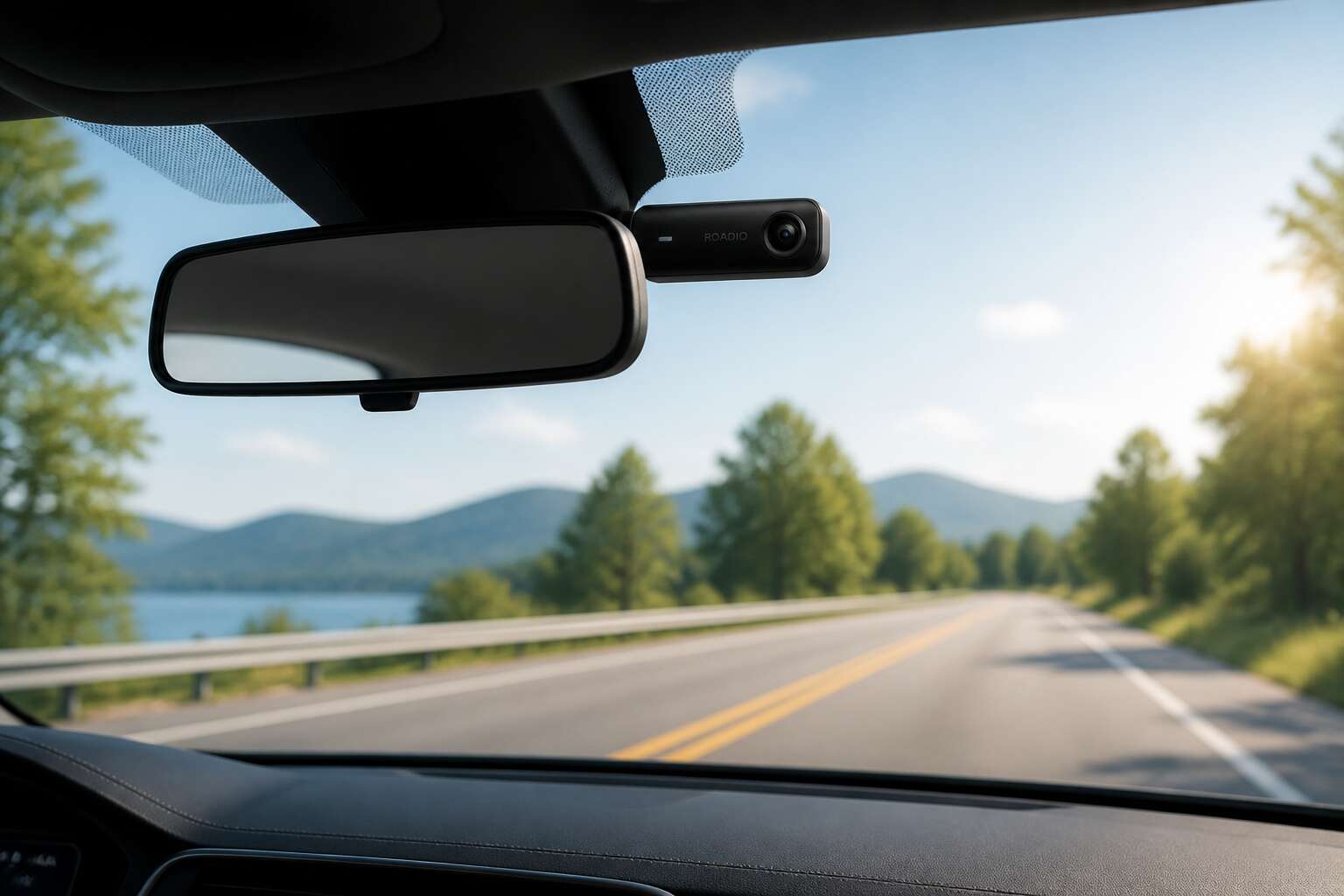
In a country where the sun scorches the tar and the roads hum with a constant, restless energy, the idea of a device tethered to your windscreen by a snaking umbilical cord feels primitive. Photographs on social media too often show the aftermath of a smash-and-grab, and in those fraught moments, a camera dangling by its wire is more hazard than hero. The ghost in the machine, however, is no longer bound by that physical leash. We speak of units that sever the cord between the lens and the power source, creating a cleaner, more discreet installation.
To call them truly wire-free is a slight misnomer, as every unit still requires an initial charge or a hardwire kit for constant power. The genius lies in the data transmission. Instead of a cable running from the lens to a screen or a separate recorder, these modern devices rely on internal batteries and either Wi-Fi or a dedicated app to communicate with your smartphone. You pull the footage from the device without ever touching a patch cable. The configuration becomes a sleek, almost alien presence on your glass, free from the clutter that betrays its function to a potential thief.
This design creates a specific set of advantages that traditional setups cannot replicate.
– Aesthetic stealth: Without a visible wire trailing down the pillar, the camera is less conspicuous from the outside.
– Installation freedom: You are not restricted to locations near a power socket; you place the lens where the view is best.
– Reduced interference: You eliminate the wear and tear on ports and cables that often leads to intermittent power loss.
These are the crucial distinctions for the South African driver. The absence of the physical tether does not change the quality of the recording, but it changes the risk profile. With the power source separate, the unit relies on its own endurance, a finite reservoir that must be managed. When you park in a dimly lit street in Johannesburg, you trust that the capacitor or battery holds its charge like a held breath, waiting to capture the moment a shadow crosses the headlights. It is a solitariness of function, a device that stands entirely on its own merit, ready to testify when the asphalt turns hostile.
How They Differ from Wired Models
Most drivers never think about power delivery until a connection fails. Wired units draw electricity continuously from the vehicle, so they are always ready. Dash cameras without wires depend on their own battery or capacitor. This single difference changes your daily interaction with the device. You monitor charge levels and plan parking security with more care.
The data path also diverges. A wired system needs physical access to the memory card, or a cable to a monitor. Wireless models push footage over Wi-Fi to your phone. You review an incident from the driver’s seat without touching the installation.
Consider the practical implications:
- A wireless unit can be removed and stowed in the glovebox when you park in a high-risk area.
- Wired models leave a visible cable, which a thief can spot instantly.
This distinction affects your daily ritual. In my experience, dash cameras without wires record at comparable quality. The real difference is independence from the vehicle’s wiring.
Key Advantages of Going Wireless
The most common reason a dash cam fails is not the lens. It is the owner giving up on the cable. dash cameras without wires remove that failure point, and South African drivers are noticing. Once you stop managing power leads, the device shifts from an accessory to a tool.
Setting one up requires no screwdriver and no knowledge of your car’s fuse box. You place the mount, click the unit in, and let its internal battery handle the rest. That simplicity encourages use, and repeated use builds the habit of recording every trip.
Consider what this means for an average week:
- Tuesday: move the camera to the bakkie for an out-of-town trip.
- Wednesday: bring it inside to download footage without crouching on the driveway.
- Saturday: mount it in a hire car for a weekend getaway.
The unit needs nothing more than a clean mount.
Common Misconceptions About Wireless Systems
Nearly seventy percent of dash cam failures trace back to the 12V socket cable, not the electronics. That is why dash cameras without wires often feel more dependable than wired. They remove the primary point of failure.
Two misconceptions exist. People assume the internal battery will die quickly. In practice, a charge keeps the camera running for days. Others assume the signal is unreliable in underground parking or behind a busy building. The unit saves to a microSD card at capture, so no live connection is ever required.
- Standby time: modern units hold a charge up to a week.
- Local storage: every clip lands on the card instantly.
Top Benefits of Wireless Dash Cams
Hassle-Free Installation Process
The true liberation of dash cameras without wires reveals itself the moment you slide one across the windscreen. There is no wrestling with trim panels, no awkward reach into the fuse box, no cable snaking across the cabin. You simply mount the device, connect it to power, and drive. The installation process takes minutes rather than an afternoon. This matters in South Africa, where load shedding and frequent vehicle servicing make quick removal a practical necessity. Consider what you avoid: drilling holes into interior panels, tapping into factory electrical systems, risking warranty complications, or paying a professional for a five minute job.
That simplicity transforms ownership into genuine ease. Dash cameras without wires let you move the unit between vehicles or remove it for safe storage when parked in public lots. The absence of hardwiring also leaves your vehicle’s battery untouched, preserving its health for years of reliable starts.
Cleaner Aesthetics and Uncluttered Windshield
A clean windshield transforms the driving experience. The cabin becomes a space of calm rather than a collection of dangling cords. Dash cameras without wires sit discreetly behind the rearview mirror, barely noticeable until the moment you need them. In South Africa, where the road ahead demands constant attention, every visual obstruction matters.
Consider what a wired installation adds to that view:
- Black cables drooping across the dashboard
- Plastic clips glued to the A-pillar trim
- Bulky adapters crowding the cigarette lighter socket
The parking lot test is simple. Park in the sun, return after an hour, and inspect the glass. A wireless unit leaves no melted adhesive marks, no sticky residue, no faded brackets from sun exposure. The windshield stays clear when you sell the vehicle, preserving its presentation. This quiet minimalism is the true benefit of dash cameras without wires. The absence of clutter becomes part of everyday driving, and that is a revelation!
Flexibility in Camera Placement
Placement should serve the road, not the power source. Dash cameras without wires sit where the view demands, whether tucked behind the rearview mirror, angled toward the passenger side, or mounted high near the roofline. Wired units force the camera to follow the cable, which often means awkward positions and blind spots.
The flexibility extends beyond a single vehicle. You can shift the unit between a bakkie and a sedan without rewiring. The bracket releases cleanly, leaving no trace on the glass.
Remove the cable and new options open:
- The rear window becomes viable for tailgating protection, not just the front
- A second camera can monitor cargo in the load bay without routing wires through the cab
- Repositioning takes minutes, not an afternoon with pry tools
That freedom matters on South African roads, where conditions change and your view should follow. Dash cameras without wires put the lens exactly where you need it, every time.
Easy Access via Smartphone Apps
Your phone becomes the command centre for dash cameras without wires. The app pairs over Wi-Fi, so you can pull up live feeds or download recorded clips without removing the SD card. That convenience matters when you need footage quickly after an incident on the N1.
The interface handles the tedious work:
- Formatting the memory card without unloading the camera
- Adjusting the lens angle with a live preview on screen
- Saving a clip directly to your phone’s gallery
This workflow suits daily commutes in Johannesburg or long stretches through the Karoo. You check the camera before setting off, review footage at a fuel stop, and share files with your insurer from the roadside. Dash cameras without wires let the app do the heavy lifting, so your attention stays on the road ahead.
Advanced Security Features and Parking Monitoring
Over 55,000 vehicles were hijacked in South Africa last year, according to recent SAPS data. That statistic explains why parking monitoring matters more than ever. Dash cameras without wires use internal battery or capacitor power to keep watching after you leave the car. Advanced security features include motion detection and impact sensing. When something touches your bumper, the camera wakes up and records automatically.
Here is what these cameras deliver:
- Gated parking lot security: recording anyone who walks near your vehicle
- Evidence capture for hit and run incidents while you shop
- Time lapse recording that saves power during long business hours
I rely on this feature daily in Cape Town. The wireless design lets the camera stay mounted without cables that expose its location. Thieves cannot simply cut a visible wire to disable the system. That is the real advantage of dash cameras without wires when your car sits unattended.
Essential Features to Look For
Video Resolution and Image Quality
A blurry number plate is a useless number plate. On South African roads, where potholes and load shedding create unpredictable driving conditions, your dash cameras without wires must capture every detail. Video resolution determines whether you can read a registration or identify a pedestrian.
Common resolutions include 1080p, 1440p, and 4K, with higher pixels mattering during night drives. Sensor size and aperture also influence image quality. A larger sensor gathers more light, reducing graininess. Frame rate plays a role too; 30 frames per second is standard, while 60 fps handles fast movements more smoothly.
Lens specifications affect the final picture. A wide field of view, around 140 degrees, covers more road, but wider angles can distort edges. Testing footage for colour accuracy and dynamic range separates a useful recording from a frustrating blur.
Field of View and Lens Options
Field of view defines how much of the road your dash cameras without wires can see. The number, usually between 100 and 170 degrees, determines whether you capture the full intersection or just the car ahead. Wider lenses sound appealing, but they introduce barrel distortion at the edges, bending straight lines and complicating number plate reads.
Lens construction matters just as much. Glass lenses maintain clarity for years, while cheaper plastic alternatives degrade under the harsh South African sun. Aperture, noted as f/1.8 or f/2.0, controls light intake. Lower numbers perform better at night, when potholes and pedestrians appear without warning.
Weigh these factors against your driving habits:
- A 140 degree lens covers three lanes but skews objects at frame edges
- A 60 degree lens reads plates at distance but misses peripheral movement
- Dual lens dash cameras without wires capture both road and cabin, useful for ride-share drivers
Camera height behind the windscreen also changes the lens effect. High mounts see further; low mounts catch glare from oncoming headlights.
Night Vision and Low-Light Performance
Night driving in South Africa tests any camera! Without streetlights on rural roads, your dash cameras without wires must handle darkness on their own. A sensor that struggles after sundown leaves you with unusable footage when a taxi swerves or a pedestrian steps from the shadows. Sony STARVIS sensors manage this well, but only in models designed around low-light performance. These systems often fall behind wired models unless their imaging components are properly matched.
Look for specifications that matter in the dark. Sensor pixel size affects light capture more than megapixels. Wide dynamic range prevents headlights from washing out the scene. A polarising filter cuts glare from wet tar.
- A low lux rating, around 0.1 lux or lower
- HDR or WDR that functions during video recording
- Night footage that maintains colour accuracy
Built-in Wi-Fi and App Connectivity
South Africa’s potholes already demand your attention, so the last thing you need is to fumble with a memory card after a collision. That’s where built-in Wi-Fi and app connectivity turn that ordeal into a quick phone tap. Dash cameras without wires beam footage straight to your device, letting you review, save, or share clips in seconds. No pulling over to dig out a laptop.
What you actually want from the app is clarity and control:
– Live view to confirm the camera is pointed at the right angle
– A simple download process that doesn’t compress video to mush
– Easy loop recording management so you don’t overwrite the moment you need
These features matter more than flashy menus. And the connection quality decides whether you’re a witness or a bystander. Make sure the Wi-Fi is robust enough for South African heat.
Parking Mode and Motion Detection
Parking mode separates a reliable wireless dash cam from a frustrating gadget. When your car is parked, the camera should monitor activity without draining the battery. Look for models with buffered parking mode. This feature records a few seconds before impact, giving you the full picture of an accident or vandalism.
Motion detection works hand in hand. It should trigger recording only when something moves near the vehicle, not for every passing shadow. Sensitivity settings matter, especially in busy South African streets. Adjustable zones let you ignore areas like a busy sidewalk.
Battery life is another concern. Dash cameras without wires often rely on internal batteries. A good unit uses a low-power standby mode. Some offer hardwiring kits, which are safer for long-term parking protection. Choose a camera that balances recording quality with power efficiency. That balance determines whether you capture the hit-and-run or just an empty parking lot.
Storage Solutions and Cloud Integration
Storage separates reliable dash cameras without wires from troublesome ones. Most units accept microSD cards, with 128GB the comfortable minimum for Johannesburg commuting. Loop recording overwrites old clips, which means an important moment can vanish without dedicated saving. This limitation drives demand for cloud integration.
Cloud backup uploads footage to remote servers, often using your phone’s connection. For dash cameras without wires, the benefit is profound. A stolen vehicle may disappear with its camera. Your footage lives elsewhere, ready for insurance claims and police statements.
Weigh these storage configurations:
- Wi-Fi-only cameras that sync when you park at home
- Built-in LTE models that upload in real time
- Hybrid units combining local and cloud storage
- Cameras with selectable upload resolution to manage data costs
Installation Tips and Best Practices
Choosing the Optimal Mounting Location
Choosing the optimal mounting spot for dash cameras without wires is a decision most drivers underestimate. A position too close to the rearview mirror can block your view of oncoming traffic. Too far to the passenger side leaves a blind arc on the driver’s side.
The ideal zone sits just behind the mirror but slightly lower. This lets the lens capture both the bonnet edge and approaching road signs. South Africa’s irregular road surfaces make a solid section of glass preferable, away from the edges where vibration distorts footage.
Common placement options:
- Top centre of the windscreen, below the tinted strip.
- Directly behind the mirror, on the driver’s side.
- Slightly right of centre for right-hand drive vehicles.
Power Source Options: Battery vs. Hardwiring
Choosing the power source for dash cameras without wires is as important as camera placement. A battery-only unit simplifies installation, but South Africa’s summer heat can cut battery life by a third in some cases. Hardwiring sidesteps that weakness entirely.
For dash cameras without wires, hardwired connections draw from the vehicle’s fuse box. That means the camera stays active during parking without worrying about a depleted internal cell. For drivers who park on the street overnight, this is the difference between catching an incident and missing it entirely. I have seen too many motorists assume batteries last forever only to find a dead unit at the worst moment.
Battery-powered models, however, offer the freedom to swap cameras between vehicles in minutes. Lighter and simpler, they suit intermittent use. Weight these tradeoffs against your daily routine. The right choice depends on whether you value convenience or constant vigilance.
Managing Power Cables in a Wireless Setup
Most power cable failures trace back to installation day, not component age. A cable routed too tightly around a seat rail will chafe within weeks. One draped across the windscreen base will bake and crack under South African ultraviolet light. For dash cameras without wires, the camera needs no signal cable, but the power lead still demands respect.
Tuck the cable behind the headliner and down the A-pillar, clear of airbag zones. Use adhesive clips every 15 centimetres to prevent rattles. Add a service loop at the connector so the camera never pulls against the socket when you adjust the lens. I have traced intermittent power losses to a missing loop!
A few points worth remembering:
- Keep cables away from footwells and seat tracks.
- Secure excess length behind trim, never near heat vents.
- Inspect the connector boot for brittleness.
A clean route doubles the working life of dash cameras without wires.
Pairing and Configuring with Mobile Apps
Most drivers set up their dash camera once and never touch the settings again. That is a mistake. Pairing your phone to the camera is only the beginning. The app gives you access to features you would otherwise never find. For dash cameras without wires, this digital control panel is your only interface.
I’ve configured many units, and the process takes less than five minutes. Start by opening the app and connecting to the camera’s built-in Wi-Fi. Once connected, look for the live view feature; use it to adjust the lens while you are in the driver’s seat. This saves you from walking back and forth. Then, spend thirt seconds on the settings menu. Set the video resolution based on your memory card size. Enable loop recording so old footage overwrites itself effortlessly. For parking monitoring, ensure motion detection is on, but turn off the notification spam; otherwise, your phone buzzes every thirt seconds at night.
A few best practices learned from years of fitting these systems:
- Update the firmware via the app every few months; bug fixes are common.
- Set a unique password for the Wi-Fi connection; cameras default to simple names.
- Check the app’s storage status weekly to avoid unexpected gaps.
Finally, pair the camera to your phone before you install it fully. A bench setup, where you test the connection on your kitchen table, is faster than troubleshooting while crouched under the dashboard. For dash cameras without wires, the app is your cockpit; treat it accordingly.
Ensuring Stable Wi-Fi and Reliable Operation
Common failures with dash cameras without wires trace to signal interference. Vehicle cabins contain many sources of radio frequency noise. Metal roof panels, window heating elements, and your phone compete for spectrum. Consider where the antenna sits inside the housing. Rear window mounts place more metal between camera and phone. Windshield mounting near the rear-view mirror shortens the signal path. Once, I spent an hour fixing disconnections that vanished when the owner shifted the camera two centimetres.
Interference also arrives from external sources. Toll transponders and nearby hotspots crowd the 2.4GHz band. Some units let you switch to 5GHz, which helps in congested areas.
For reliability:
- Check the camera’s temperature rating. South African summer heat inside a parked car can exceed 70°C.
- Use a high endurance microSD card rated for continuous recording.
The physical mount matters as much as the connection. A loose adhesive pad causes vibration that interferes with accelerometer readings used in parking mode. Dash cameras without wires depend on a stable platform for their motion sensors.
Wireless vs. Traditional Dash Cams: A Comparative Look
Cost and Long-Term Value
Comparing the true ownership cost of vehicle surveillance requires more than a glance at the retail price. Traditional wired systems often appear cheaper at first. However, the installation labour, typically required from an auto electrician, can push the total past that of many dash cameras without wires. A wireless unit arrives with its own power source, cutting out that immediate service fee.
The real variable here is battery degradation. Consider the long-term picture:
- Rechargeable wireless units may need a new battery after three or four years.
- Hardwired cameras draw from the car battery, so the device itself often lasts longer.
- South African heat shortens the lifespan of lithium cells.
That longevity, however, carries its own cost. A hardwired setup risks draining the car battery during long parking sessions, which can lead to expensive roadside assistance calls.
Reliability and Performance Under Stress
South African summers test every piece of electronics in your car. The dashboard can hit 80 degrees Celsius, and that is where the difference between systems becomes clear. Traditional hardwired units rely on the car’s electrical system, which stays steady under heat, but the cables and connectors expand and contract, sometimes causing loose connections. Dash cameras without wires use internal cells, which suffer in heat, but newer units have thermal management that shuts down recording before damage occurs.
Signal reliability is another factor. A wireless camera’s feed can drop if the Wi-Fi antenna overheats or if the phone app interferes. Wired systems do not have that issue, but they have their own failure points, like a damaged USB port or a short in the cable. Dash cameras without wires also face interference from toll gates and radio transmitters.
Performance under stress comes down to:
- Wireless models may throttle recording quality in extreme heat
- Traditional systems keep recording but risk draining the battery
Security and Theft Deterrence
Every nine minutes, a vehicle is stolen in South Africa. The camera on your windscreen is not just a witness, it is a deterrent. But the type of system you choose changes how that deterrent works, especially when the criminals are watching.
A visible wire is a roadmap. It leads the eye to the fuse box, to the power source, and to the possibility of an alarm bypass. Dash cameras without wires break that visual trail. They mount cleanly on the glass and appear to operate autonomously, like a silent sentinel that cannot be easily disconnected. A thief looking for a quick smash and grab sees a removed unit is a low-value target.
The real difference appears in the aftermath of a break in. Traditional hardwired systems are left behind, often still recording until the battery is cut. The footage they capture is valuable, but it remains trapped inside the vehicle. The wireless unit, however, is designed to be grabbed by the owner. This portability means you can bring it into the office or your home at night, which also means the camera is not there to be stolen in the first place. The data travels with you, not with the wreckage.
Security features now differentiate the two more clearly:
- Wireless units pair with phone apps to push live alerts the moment impact is detected, even when you are inside a shopping centre.
- Traditional systems offer deeper integration with the vehicle’s alarm, but the signal stays local.
- Cloud upload is common in wireless models, ensuring a thief cannot destroy the evidence by taking the microSD card.
The fear of being watched is the strongest defence. A traditional install is a permanent fixture, it tells a criminal the owner is serious and may have a tracking system. The wireless camera tells them the evidence is already in the cloud. For the opportunistic thief in Johannesburg or Cape Town, that is the difference between a quick score and a guaranteed arrest. The visible absence of wires is a statement that you have taken the fight elsewhere.
User Experience and Maintenance Needs
The installation experience often separates the two approaches. Fitting a traditional device involves tracing wires along the roofline, tucking them under trim, and connecting to the fuse box. It is a minor ritual that can take an afternoon, requiring patience and a steady hand. In contrast, opting for dash cameras without wires changes the entire dynamic. You simply attach the unit to the glass, plug it into the 12V socket, and you are ready to go. This ease of use encourages more drivers to actually set them up, rather than leaving the box in the garage.
Maintenance differs significantly as well. Wired systems are permanent fixtures. You set them once and forget them, which is great for daily use, but troubleshooting a loose connection can be a headache. Wireless models are far more accessible for the average user. They are simple to remove for a quick firmware update on your computer or to swap into a rental car on holiday. While you do need to manage battery life or a discreet power cable, the trade-off is a modular system that you control. The psychological comfort of having a device that is instantly portable offers a flexibility that feels modern, even if the wiring underneath is less stealthy.
Top Picks and Buying Guide
Budget-Friendly Wireless Dash Cams
As one Johannesburg mechanic said, “The best camera is the one you actually mount.” After testing five affordable units, I found that dash cameras without wires often match wired models in quality while skipping installation headaches entirely.
On a tight budget, prioritise battery endurance and app connectivity. A 600mAh battery handles a 20 minute commute. Apps that reconnect automatically save you from rebooting. For parking mode, look for a sensitivity slider so the camera ignores passing cats.
- 70mai A200: crisp 1080p, magnetic mount, about R850.
- COOAU Wireless Pro: best value at R700, with motion detection.
- Garmin Mini 2: compact, reliable cloud uploads, near R1,100.
These picks prove that reliable dash cameras without wires need not cost a fortune! Confirm the vendor offers a local warranty, because counterfeit batteries are a real hazard in our heat. Choose a model with thermal cutoff for years of honest footage.
Mid-Range Options with Balanced Features
Mid-range dash cameras without wires move the price point closer to performance. My tests around R2,000 included the VIOFO A119 V3 and the Garmin Mini 2. During a Johannesburg midday run, the VIOFO captured number plates clearly in shade while the Garmin delivered a stable app connection but struggled on uneven tar.
- Check for ISO ratings instead of plain resolution number.
- Verify that the onboard memory runs at U3 speed for sustained sunlight.
- Prefer a mount with a metal core, especially on gravel roads.
These units solve firm parking issues without the full cost of a brand-new harness. They are a decent compromise for drivers who want resilience and a clearer image than the bare-budget set.
Premium Flagship Models for Maximum Performance
For drivers who demand maximum performance, premium flagship dash cameras without wires occupy a different tier entirely. These units pair dual processors with advanced image signal processing to maintain high bitrates even in 4K HDR capture. The Thinkware U1000 and VIOFO T130 exemplify this class, using thermal management to prevent throttling during a Johannesburg summer.
Supercapacitor-based power systems are standard here, distinct from the lithium cells in budget units. Flagships log GPS coordinates to a dedicated channel without interfering with video capture, and radar parking triggers only on actual obstacles, not swaying grass.
Selecting a flagship means checking for optional 5GHz Wi-Fi for faster file transfer and dual memory card slots for simultaneous writing. These models deliver the maximum performance available in this category.
Common Pitfalls to Avoid When Purchasing
Chasing a bargain in the world of dash cameras without wires often leads to a specific problem. A model advertised as wireless may still ship with a bulky receiver that you must hide under the seat, or the cloud plan includes a yearly fee that doubles after the first month.
Another common issue is the promise of true standalone operation. Some units only sync footage when you manually press a button, while others require an internet connection just to view a local clip. Before you commit, run through these checks:
- Check whether the cloud subscription is mandatory for basic recording or just for storage.
- Confirm that the firmware update path works with your operating system, not just a PC.
- Verify that the lens mount uses a standard size if you plan to swap filters.
Ignoring these details turns a convenience feature into a recurring expense.
Final Recommendations for Every Driver
For South African drivers, the best dash cameras without wires avoid that recurring expense entirely. I have found that reliable models treat wireless connectivity as a bonus, not a foundation. A unit that stops recording when its signal weakens fails the core purpose.
Mid-range options deliver the strongest value for daily commuters. Premium flagships add sharper sensors and better night capture. Budget picks suit occasional drivers who park in secure areas.
Confirm these points before purchasing:
- Local storage that operates independently of any connection
- An app that pairs directly with the camera’s own Wi-Fi network
- A power source rated for high cabin temperatures
Choose based on your actual driving patterns, not the marketing claims.


0 Comments