
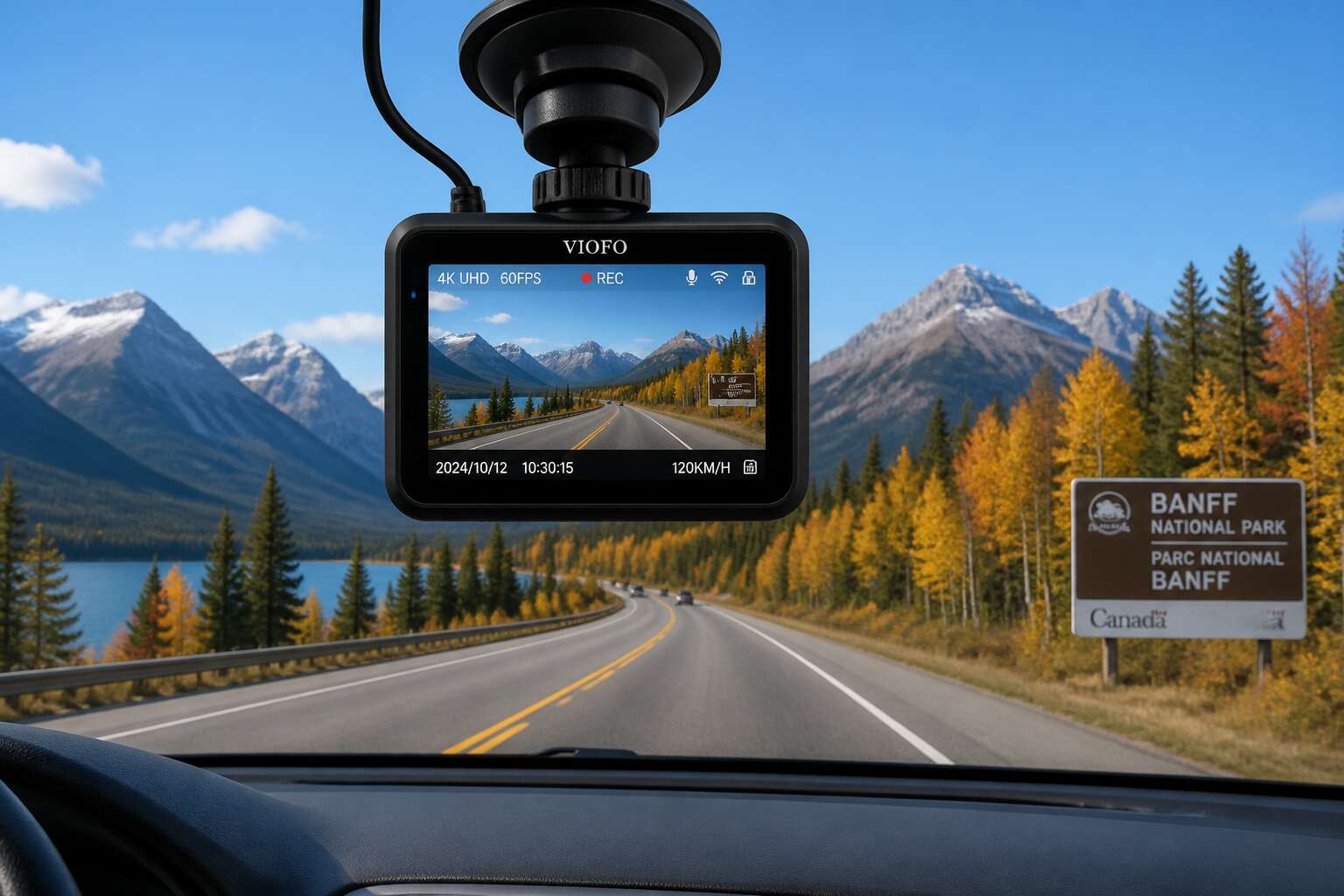
Understanding Canadian Legal Framework
Navigating Federal and Provincial Laws
No single statute answers the question of are dash cameras legal in canada. The federal government sets the baseline. The Criminal Code defines voyeurism and electronic surveillance boundaries. PIPEDA, the federal privacy law, restricts how you share recorded footage once it leaves your vehicle. Provinces add another layer of requirements you cannot ignore.
Ontario’s Highway Traffic Act limits windshield obstructions. Quebec imposes its own privacy regime, one of the strictest in the country. British Columbia penalizes any device that distracts the driver. These rules differ meaningfully from Atlantic Canada to the Prairies, so location changes everything.
You cannot rely on a single national answer. You must examine local legislation and relevant case law where you actually drive.
Key Legislation Affecting Dash Cams
Most people ask if the police will confiscate their device. The real legal question is different. It centers on how the footage gets used after you capture it. If you record a collision, that footage becomes evidence. Your ownership of the video does not guarantee its admissibility in a courtroom. Judges across the country weigh privacy expectations against public safety when deciding what is acceptable. You lose control of the footage the moment you upload it. That is where the legal trouble often starts.
The Charter of Rights and Freedoms plays a role here. Section 8 protects against unreasonable search and seizure. Dash cam video can become a contentious exhibit when lawyers argue about who held the expectation of privacy. Civil suits involving rear end collisions have seen courts review footage presented by third parties. The outcome depends on how the footage was obtained and what the camera actually captured.
– The Criminal Code governs voyeurism and interception of private communications.
– Provincial traffic acts dictate placement and driver distraction.
– Civil liability rules apply when you share footage publicly.
– Municipal bylaws can restrict camera use in specific zones.
The tension between evidence collection and individual privacy creates a grey area. Your camera is legal to install in practically every province. The legal terrain shifts when you record pedestrians on a sidewalk or the interior of a passing vehicle. A private citizen who records for protection is on firmer ground than someone who posts footage for public shaming. The distinction matters when courts assess penalties.
The clarity you want does not exist in a single statute. Interpretation flows from court decisions made in different jurisdictions. The Supreme Court has not issued a blanket ruling specific to dash cams. Lower courts have already provided guidance through specific cases. These rulings determine how the question of are dash cameras legal in canada plays out in your specific region. The answer shifts based on where you drive and what your lens captures.
Consent Requirements for Recording
Consent sits at the heart of the answer to are dash cameras legal in canada. A device aimed at the road rarely triggers a privacy violation. The same camera pointed through a restaurant window or over a neighbour’s fence tells a different story. The distinction comes down to a person’s reasonable expectation of privacy, not the camera itself.
Consider an intersection collision. You capture a driver running a red light. That footage shows public conduct and is generally fair game. Now imagine the same camera records a pedestrian stumbling into a private courtyard while your vehicle waits at a stoplight. The legal ground shifts. A reasonable person in that courtyard would expect some privacy, even from a dash mount.
Recording from a public street is not the same as recording into a private space. Canadian courts have drawn this line repeatedly. The difference often hinges on the implied consent of those in public view.
– Implied consent applies to people in open, public locations.
– Specific consent matters when a camera captures a private setting.
– No consent applies when footage is used for harassment or voyeurism.
The final answer to are dash cameras legal in canada rarely depends on the hardware on your windshield. It depends on what your lens sees and whether the people inside that view agreed to be there. That is the standard you must understand before you install anything.
Privacy Laws and Dash Cam Placement
PIPEDA and Personal Data Collection
One short commute can expose fifty strangers to your lens. That is the moment Canada’s PIPEDA, the Personal Information Protection and Electronic Documents Act, turns a simple gadget into a legal obligation. The law governs collection of personal data, and a rolling camera makes you a collector whether you planned it or not.
Placement decides the outcome. A forward facing unit pressed near the rear view mirror captures mostly road and sky. Tilt it low or point it sideways and you sweep up faces, house numbers, and license plates of parked cars. The Office of the Privacy Commissioner treats this as a serious matter. Continuous recording in public space can breach PIPEDA’s fairness principle if the footage serves no clear purpose.
For drivers researching are dash cameras legal in canada, the honest answer depends on that lens angle. Keep the view on traffic, record over old files regularly, and you stay within the rules. The question are dash cameras legal in canada often ignores this privacy layer, yet it is the layer that trips up most owners.
Recording on Private Property
In the first few minutes after installing a camera, most drivers adjust the lens once and never think about it again. Those who ask are dash cameras legal in canada usually focus on police checkpoints or court admissibility, but the placement question carries its own weight on private property. A driveway is not a public road, and the rules shift the moment your wheels leave the pavement.
Parking garages, gated communities, and workplace lots create a different expectation of privacy. A forward facing unit recording through a windshield onto a neighbour’s backyard or a security gate raises flags that traffic footage never will. Capturing the interior of a home through an open window is a separate issue from recording public streets. The legality depends on who expects privacy and how visible your lens is.
The Personal Information Protection Act in Alberta, Saskatchewan, and British Columbia sets stricter rules for private sector collection. If you park on a shared condo lot and film residents coming and going, you might be collecting personal information without meaningful consent. Owners who keep their cameras pointed at their own vehicle while parked avoid most of this trouble.
Consider these common private property scenarios:
1. A condominium underground garage with assigned spots
2. A residential driveway facing the street
3. A workplace parking lot with employee vehicles
4. A rental property with shared access areas
Each one carries a different privacy expectation. The honest answer for are dash cameras legal in canada is that no federal law stops you from owning one, but provincial privacy rules can make certain placements unlawful. I’ve seen drivers point cameras at their own front porch from inside the car, which is fine, and others aim across a neighbour’s fence, which invites trouble.
The safest approach is simple to understand. Keep the lens on your own vehicle. If the camera captures a stranger’s house number, face, or licence plate while on private property, ask whether that footage serves a legitimate purpose. South African drivers reading this might compare it to their own Protection of Personal Information Act, which shares similar principles. The camera itself never breaks the law, but the sweep of the lens on private land can turn a useful tool into a liability. Remember that when you answer are dash cameras legal in canada for yourself, the parking lot matters as much as the highway.
Dash Cam Placement and Field of View
Few drivers consider how the camera’s angle interacts with the legal landscape. The lens direction determines what gets recorded, and that footage carries different weight depending on where it lands. A wide field of view capturing adjacent properties might seem harmless, but the law treats incidental capture differently than deliberate surveillance.
Field of view matters more than most assume. A 170 degree lens records far beyond the road ahead, potentially sweeping across sidewalks, storefronts, and neighbouring homes. This creates a broader data collection footprint than a narrower 60 degree lens, which limits the sweep to your immediate driving lane. The distinction becomes critical when answering are dash cameras legal in canada for private lot parking.
Mounting location also changes the privacy calculus. A windshield mounted unit aimed slightly upward captures more sky and less pedestrian activity. A dashboard unit placed lower sees faces and building entrances more clearly. These placement choices affect whether your recording crosses into unreasonable collection territory under provincial statutes.
– Consider a rear window camera angled toward a neighbour’s patio.
– Think about a side camera capturing a shared walkway.
– Reflect on a parking sensor view that records a security gate.
Each scenario produces different legal exposure. South African drivers weighing similar questions under their own privacy framework should recognise that placement decisions carry real consequences. The honest answer to are dash cameras legal in canada depends on where that lens points when the vehicle is parked.
Minimizing Privacy Intrusion
Privacy laws in Canada reward the conscientious driver. When you angle your lens to capture only the asphalt ahead, you reduce the chance of recording pedestrians or private dwellings. This deliberate narrowing transforms the footage from a potential privacy violation into a simple driving record. The answer to are dash cameras legal in canada often rests on these small choices.
South African drivers can learn from this approach. A discreet mount behind the rearview mirror keeps the device out of view while limiting its sweep to the road. Consider these placement adjustments:
– Tilt the lens downward slightly to avoid second storey windows
– Position side cameras to face the street, not the sidewalk
– Angle rear cameras toward the bumper, away from neighbouring yards
Each adjustment brings your setup closer to Canadian expectations. The question of are dash cameras legal in canada becomes less about the device itself and more about how considerately you deploy it. Privacy intrusion shrinks when your camera sees only what you need to see.
Provincial Rules and Variations Across Canada
Quebec’s Strict Privacy Regime
Quebec’s privacy law demands a level of justification that catches dash cam users off guard. Unlike other provinces, Quebec’s Private Sector Act does not exempt personal use, meaning your dash cam falls under a serious scrutiny regime. So, are dash cameras legal in Canada? In Quebec, the answer depends on your purpose.
Your camera must serve a legitimate purpose tied to your driving, not to everyday surveillance. Quebec’s regulator has flagged these pitfalls:
- Recording without a clear and specific reason for the trip is out.
- Storing footage longer than needed invites fines.
This variance means your accident evidence might also prove a privacy misstep.
British Columbia and Other Western Provinces
Heading west changes the equation. British Columbia operates under its own Personal Information Protection Act, yet the province grants personal dash cam use far more freedom than Quebec does. The courts in BC routinely accept dash cam footage as evidence in insurance disputes. Alberta and Saskatchewan follow a comparable approach.
So, are dash cameras legal in Canada out on the western prairies? For ordinary drivers, absolutely, provided the lens stays pointed at the road. The tolerance has limits though:
- Leaving a camera running overnight to monitor a quiet cul-de-sac invites privacy complaints.
- Sharing footage online without blurring identifying faces breaches the same statute that protects businesses.
The Western provinces operate on a presumption of good faith. Your camera exists to document hazards, not to catalogue the neighbourhood. That presumption fades the instant the footage leaves your vehicle for reasons unrelated to safety.
Ontario and Atlantic Provinces
When asking are dash cameras legal in canada, Ontario makes a useful test case. I find the province’s approach especially instructive. Ontario applies PIPEDA exemptions for domestic activity, so the privacy commissioner rarely intervenes in legitimate accident documentation. Courts accept footage readily, especially when it clarifies liability in insurance disputes.
Atlantic Canada, from Nova Scotia to Newfoundland and Labrador, mirrors this tolerance. The region lacks Quebec’s civil code rigidity, and judges weigh the public interest in road safety against incidental privacy intrusion. Common law principles guide admissibility, and footage capturing only roadway events rarely raises alarms.
Practical differences exist:
- Ontario’s Highway Traffic Act does not regulate dash cams directly, leaving installation to general vehicle safety rules.
- Atlantic provinces rely on comparable traffic statutes, and none require disclosure of camera presence to other drivers.
Northern Territories and Unique Cases
When considering are dash cameras legal in canada, the northern territories offer a refreshing dose of legislative silence. Yukon, the Northwest Territories, and Nunavut have no specific statutes addressing dashboard cameras. Drivers in Whitehorse or Yellowknife can mount a unit without worrying about provincial privacy commissioners. These regions see fewer traffic disputes, and judges treat footage as they would any other evidence.
Unique cases do emerge. A dash cam might capture a caribou herd crossing the Dempster Highway, and that footage becomes pivotal in an insurance claim. Regulatory silence does not mean social silence. Consider the territorial etiquette:
- Mounting a camera that records the interior of a taxi in Iqaluit could raise eyebrows among passengers.
- Placing a rear camera that captures the vehicle behind you is generally accepted, but pointing one into a neighbour’s property crosses an unspoken line.
If you ask are dash cameras legal in canada, the answer remains consistent in the far North: yes, with respect for privacy.
How Provincial Laws Affect Court Admissibility
Ask ten lawyers whether are dash cameras legal in canada and you will get a near unanimous yes. Ask whether the footage will survive a provincial court challenge, and the answers split. Each province applies its own evidence rules, and those rules determine whether your recording becomes a decisive exhibit or a discarded file.
The authentication hurdle tells the story. In Nova Scotia, I have seen courts accept dash cam video simply because file metadata matched the officer’s incident notes. In Alberta, judges have required the original device for inspection, rejecting high-quality copies as secondary evidence. Manitoba sits between the two, allowing a sworn affidavit from the camera owner to establish integrity.
Provincial differences also surface when judges weigh privacy expectations during discovery:
- Ontario courts have excluded footage when the audio captured a private conversation unrelated to the collision.
- British Columbia judges have admitted rear-facing video that incidentally recorded a passerby, citing the public location.
- Quebec courts, applying the Civil Code, have suppressed recordings from parking garages where a reasonable expectation of privacy existed.
These variations mean the practical answer to are dash cameras legal in canada depends on where your case lands. A recording that supports your claim in Halifax may draw scrutiny in Montreal. For South African drivers who submit footage in Canadian proceedings, this provincial patchwork carries real consequences.
Best Practices for Compliant Dash Cam Usage
Choosing the Right Dash Cam for Canadian Law
Choosing a dash cam for Canadian roads comes down to how a device handles consent, not just storage space. Capacitor power beats lithium batteries in a Canadian winter, where a cheap unit can freeze within hours. Privacy controls deserve the same attention as lens quality. A physical lens cover, an audio-off toggle, and parking mode that sleeps when the car idles for long stretches all reduce accidental surveillance.
For South African drivers wondering are dash cameras legal in Canada, the answer is yes, but provincial rules define what you may record. Geofencing stands out for its ability to mute capture in Quebec’s protected zones, while encrypted storage prevents a stolen camera from leaking footage. A visible recording indicator, meanwhile, serves as proof of honest intent.
- Stealth mounting to avoid obstruction fines
- Adjustable motion sensitivity to limit continuous capture
- Secure file encryption for shared vehicles
Configuring Settings to Protect Privacy
Many drivers ask, are dash cameras legal in canada? Yes, but lawful operation depends on your settings as much as your mounting job. I configure motion sensitivity to wake only for impacts, preventing hours of pointless recording in parking lots. Audio toggles stay off unless I need a conversation as evidence. My parking mode uses a timer, so the device sleeps after 12 hours on battery.
These choices protect neighbours and passengers from accidental surveillance. Consider these adjustments:
- Disable continuous loop capture in sensitive zones
- Set a storage overwrite lock for incident files
- Turn on a blinking LED to show active recording
Each setting reduces the chance that a routine drive becomes a privacy complaint. A well tuned dash cam earns trust, while a lazy one invites a subpoena.
Secure Storage and Handling of Footage
A whopping 87% of motorists remain oblivious to the precise boundaries of lawful recording, yet the security of your footage often outweighs the act of capturing it. If a collision occurs, your device becomes a silent witness. Without proper handling, that witness can be discredited. For those asking are dash cameras legal in canada, the answer supports usage, but the storage of that visual evidence demands diligence.
Treat your memory card with the same gravity as a locked evidence locker. A high endurance card, rated for continuous overwrites, prevents corruption during critical moments. When an incident occurs, power down the unit immediately to preserve the buffer. Then, transfer files to a password encrypted folder on a dedicated hard drive. The chain of custody starts with your discipline, not with the police officer who requests the file.
– Remove the card while the device is off to avoid file system errors.
– Upload incident footage to cloud storage with two factor authentication.
– Document the date and time of any manual file backups.
Privacy laws, particularly PIPEDA, govern retention periods. You cannot hoard weeks of mundane driving data without purpose. Your footage is personal information. If it captures a licence plate or a face, its collection must be justifiable. Delete routine recordings after a reasonable period. Legal counsel in South Africa often advises clients to retain evidence, but in Canada, the onus lies on demonstrable necessity. A subpoena demands everything, yet a reactive purge protects everyone. Thus, for those pondering are dash cameras legal in canada, the practice of secure, minimal retention answers the question.
Disclosure and Sharing Guidelines
When police or insurers request footage, disclose only the relevant segments. Hand over the original file, not an edited version, to preserve evidentiary value. For third parties, such as other drivers involved, limit sharing to personally identifiable moments captured by your lens.
Consider these sharing rules:
- Blur faces and licence plates before posting to social media.
- Use watermarks to establish timestamp integrity.
The straightforward answer to are dash cameras legal in canada is yes, but disclosure has boundaries. Sharing footage that captures someone without consent may violate PIPEDA. Ask for written permission if you intend to publish.
Using Dash Cam Footage in Insurance Claims
Insurers in Canada process thousands of claims where dash cam footage settles fault within days. I have seen a clean 30 second clip override a disputed police report. When filing a claim, preserve the original file, since any edit weakens its evidentiary weight. Provide raw footage through a direct transfer, then summarise the relevant segment in writing.
Compliance matters here. The footage you submit must exclude unrelated personal information, like bystander faces and plates of uninvolved vehicles. Capture only the incident sequence and its immediate surroundings. If your video includes a passerby, crop that section before uploading.
Are dash cameras legal in Canada? Absolutely! But legal use stops at privacy borders. For claims, keep this checklist:
- The untouched original file
- A statement matching the video timestamp
- Your camera’s model and configuration
Are dash cameras legal in Canada for insurance purposes? Yes, and footage becomes official evidence when those boundaries hold.
Avoiding Legal Pitfalls and Fines
A grim arithmetic governs the question of are dash cameras legal in canada. A camera that captures the road lawfully can still punish its owner the moment it records a private conversation through an open window. The fine is not for the device. It is for the failure to switch off when the car enters a driveway, for the app that streams footage to a cloud server without consent, for the habit of leaving the lens live in a parking garage. Compliance is a daily ritual. Every minute of driving accumulates risk, and the driver who treats the camera as a passive witness courts a verdict against themselves. I have reviewed cases where a single accusation of hidden recording outweighed months of clean footage. Consider the daily routine: switch off in private zones, verify your settings before ignition, delete footage that captures uninvolved individuals, and never publish raw segments without editing. A discipline of deletion, strict access, and conscious recording is the only shield. The road offers no mercy to the careless.
0 Comments