
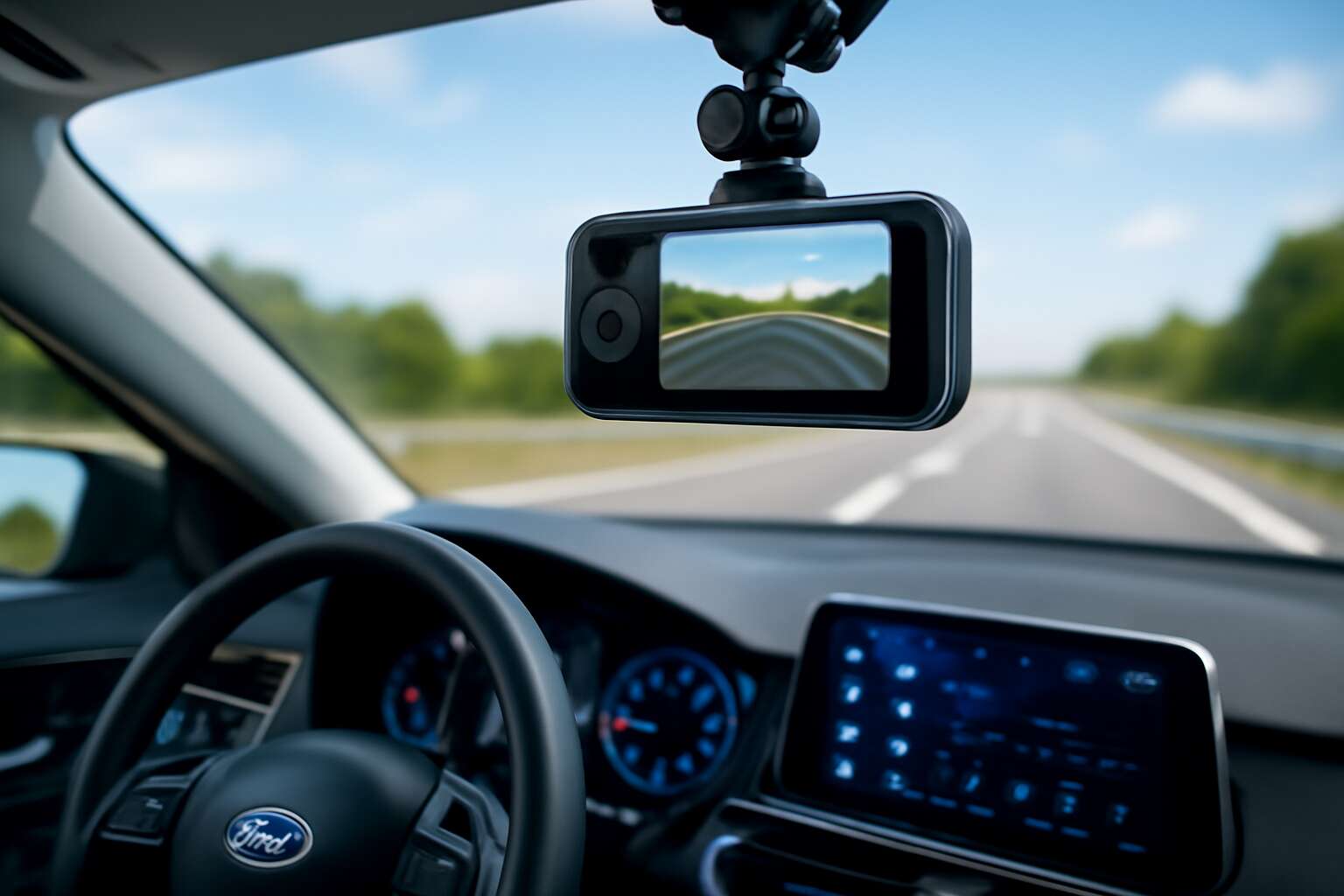
Choosing the right dash cameras for your vehicle
Key features to compare
In South Africa, insurers report that claims backed by dash footage settle up to 60% faster, turning everyday trips into a more durable account of events. Choosing the right dash cameras for your car is more than a gadget choice; it’s a quiet safeguard on every trip, especially on the busy city arterials and rural roads where the unexpected lurks around every bend.
Look for cameras with clear daytime and night footage, reliable parking mode, and proven durability. Consider data storage, ease of installation, and GPS tagging for trip logs.
- Resolution and frame rate
- Wide dynamic range and night vision
- GPS tagging and app connectivity
- Storage capacity and loop recording
All else being equal, I look for cameras that deliver crisp footage when it matters most and are simple to use—no fuss, just reliable proof!
Resolution and frame rate options
Across South Africa’s bustling streets and sweeping hinterlands, claims backed by dash footage settle up to 60% faster, turning every drive into a clear chapter of events. Choosing the right dash cameras for your car is about sharper optics and honest motion.
Resolution and frame rate options are the lens through which reliability is measured. A solid baseline is 1080p at 60fps for fluid motion and legible plates; 1440p at 30–60fps adds detail without overwhelming storage; 4K at 30fps yields the finest clarity, at a premium.
Common configurations include:
- 1080p/60fps
- 1440p/30–60fps
- 4K/30fps
Each choice balances storage, processing, and night performance, shaping what your drive inevitably reveals when the road whispers its stories.
Storage and loop recording
On South Africa’s crowded highways, nothing speaks louder than what your dash cameras for your car capture. Storage decisions and loop recording choices shape what survives the moment the road reveals its truth, turning chaos into clarity.
Choose a system with ample, fast storage and a robust looping mechanism: it overwrites the oldest clips only when space runs out, preserving recent events. A quality card underpins reliability, preventing dropouts in busy traffic or night driving.
- High-capacity microSD cards with fast write speeds support continuous capture.
- Loop recording ensures recent footage remains available by overwriting older clips as space is used.
- Parking mode and motion sensitivity offer protection during stops without draining the vehicle’s power.
With these settings, your driving narrative remains intact, even when the unexpected occurs along the Cape Town corridor or rural routes—proof you can rely on when the road whispers its stories.
Power, GPS, and other integrations
The road speaks in 4K, and footage proves it every day on South Africa’s crowded highways! Beyond glossy footage, power, GPS, and integrations shape reliability when the unexpected occurs.
Choosing dash cameras for your car demands looking at power, GPS, and other integrations.
- Power options: hardwired kits, low-draw sensors, and secure fuse taps.
- GPS and telemetry: precise location, speed logging, and time stamps.
- Smart integrations: mobile apps, cloud backups, and parking mode with motion alerts.
With the right choices, footage remains usable through day and night on both Cape Town corridors and rural roads—proof that the road’s truth travels well.
Types of dash cams for vehicles
Single-channel vs dual-channel vs multi-channel
On South Africa’s roads, every dash on the horizon could be a turning point in a claim. “The camera never lies,” a veteran driver once told me, and that truth is gold when the unexpected occurs behind the wheel.
Types of dash cams for vehicles vary by channel count. Single-channel devices record forward-facing footage, a simple shield for the highway. Dual-channel kits add a rear camera, capturing tailgaters and side impacts. Multi-channel systems bring interior and additional angles into view, delivering a panoramic narrative essential for taxis and delivery fleets in busy urban corridors. For everyday drivers, dash cameras for your car offer peace of mind.
- Single-channel: forward view only
- Dual-channel: forward + rear
- Multi-channel: forward, rear, and interior
Front-facing only vs front and cabin cameras
South Africa’s roads glitter with sun and grit, a stage where a split-second decision writes the rest of the day. “The camera never lies,” a veteran driver once asserted, and that wisdom rings true behind every windshield. The promise of dash cameras for your car becomes a quiet guarantor, turning chaos into context when the unexpected knocks on the door.
Front-facing only vs front and cabin cameras: the narrative you choose shapes the tale after an incident.
- Front-facing only: a clean, highway-focused record that keeps the road’s verdict front and center.
- Front + cabin: adds a human angle—driver reactions, passenger interactions, and the ripple of events inside the vehicle.
- Fleet consideration: interior views help monitor driver behavior and protect both passengers and pedestrians without compromising the open road’s privacy.
For everyday journeys, the channel you select preserves trust and clarity, like a steadfast witness along the road’s unfolding drama.
Rear cameras and multi-camera setups
“The camera never lies,” a veteran driver once asserted, and on South Africa’s sun-scorched streets that claim rings true. When you lean into the topic of dash cameras for your car, rear cameras and multi-camera setups emerge as the stenographers of the road, catching what the naked eye might miss.
Rear cameras provide a focused sweep of events behind your vehicle, perfect for parking mishaps, tail-end shunts, or sudden braking from the lane beside you. They slip into the narrative with quiet reliability and respect for privacy, offering a behind-the-wheel witness that stays out of the limelight when you need it most.
- Rear-camera-only configurations emphasize the road behind and a tidy footprint on the dashboard.
- Rear plus cabin or front+rear options add context: driver reactions, passenger interactions, and the ripple of events inside the car.
- Multi-camera systems—three or four channels—blend road, rear, and interior footage for a fuller picture.
In a landscape of varied commutes and keen-eyed new drivers, these setups offer clear, corroborative storytelling. dash cameras for your car become a trustworthy witness on every journey, turning chaos into context and keeping the road’s drama honest.
Hidden vs visible installation styles
“The footage never lies!” a veteran driver likes to say, and on South Africa’s sunlit and stormy streets that rings true. Dash cameras for your car act as that silent witness, turning chaos into context in a heartbeat.
Two installation styles shape the dash: hidden units tuck away behind the mirror or trim, preserving the interior’s aesthetics; visible units stand guard with a subtle presence and easy access for quick checks.
- Hidden installations keep the lens discreet and the cockpit clean.
- Visible units deter tampering and offer ready confirmation of footage when needed.
Choosing between them comes down to personality, privacy comfort, and how much you want the camera to blend in or make a statement. Either way, the setup provides a reliable record as you navigate South Africa’s roads.
Wired vs wireless power options
Power is the quiet architect of dash cameras for your car—reliability built into every frame. Wired units draw steadier current from the vehicle’s fuse box, delivering stable footage through South Africa’s heat and long drives. Wireless power units offer freedom from cables, trading constant power for portable flexibility and simple, mirror-hiding installs.
Wired systems shine on endurance and data integrity; wireless systems shine on speed and ease of setup.
- Wired: uninterrupted power, richer feature sets, minimal risk of recording gaps.
- Wireless: rapid installation, portable across vehicles, but battery life and cold-weather drain require attention.
In the end, this dichotomy reflects a broader truth: technology serves human needs most when it adapts to our rhythms, not vice versa.
Smart features that matter for safety and evidence
G-sensor and incident detection
The night keeps its secrets until a tiny witness flickers to life—the dash camera with a G-sensor that notes sudden decelerations and brutal impacts, and incident detection that marks each event like a bookmark in time.
- G-sensor triggers on impact, preserving the clip
- Incident detection flags events for quick review
- Automatic loop recording prevents gaps in coverage
In practice, this is more than circuitry; it’s a patient sentinel, a quiet archivist of the road across South Africa’s highways. When danger looms, the footage speaks in clear, unflinching terms—an unassailable thread for claims, investigations, and memory. dash cameras for your car become a steadfast guardian, turning chaos into ordered evidence and giving you a hard-won peace of mind.
Parking mode and motion detection
Smart features matter for safety and evidence on South Africa’s roads. Parking mode keeps a watchful eye on your car after you park, recording only when it detects activity. Motion detection snaps into action with any movement, ensuring relevant clips are captured for review. These are the hallmarks of dash cameras for your car.
- Parking mode activates when the ignition is off, preserving critical clips around your vehicle
- Motion detection triggers recording at the first sign of movement
- Smart alerts push to your phone, so you can review events quickly
Together, these features weave a silent guardian into the fabric of your journeys, turning ordinary parking into ordered evidence.
GPS tagging and timestamp data
“Proof is power on the road,” a driver once said, and it rings true on South Africa’s bustling streets. Smart dash cameras for your car turn uncertain moments into a clear, tamper-proof narrative when misfortune or disputes arise.
GPS tagging and timestamp data anchor clips to exact place and moment, giving you a credible timeline you can rely on. These elements elevate dash cameras for your car from passive recorders to trusted witnesses.
- GPS tagging provides precise location context for every clip
- Timestamp data preserves the chronological order of events
In the end, this intelligent layering of data strengthens safety and accountability on our roads, offering peace of mind with every drive as you rely on dash cameras for your car.
Audio recording considerations and privacy
“Proof is power on the road”—and that idea fuels dash cameras for your car on South Africa’s busy streets. Smart features that matter for safety and evidence extend beyond sharp video. Dash cameras become a steadier witness when they adapt to light, glare, and distance, capturing crucial detail at every hour. The right audio setup can add context—voices, engine notes, and road noise—that clarifies what the footage shows. Audio must also respect privacy and local law, so choose units with flexible controls and clear notifications.
- Audio controls with an opt-in policy, plus a mute option when privacy matters
- Data security: encryption, access limits, and controlled retention
- Transparency: indicator sounds or visible notices when audio is recording
Balancing safety with privacy turns every drive into a responsible record, a quiet assurance on South Africa’s busy roads.
Buying guide: budget, warranties, and reliability
Price ranges and feature value
Road confidence isn’t a luxury—it’s a strategy. On South African roads, dash cameras for your car are emerging as essential witnesses, turning chaotic moments into clear, usable evidence!
Smart buying starts with a realistic budget. In SA, entry-level units roughly R1,800–R3,500; mid-range R3,500–R7,000; premium setups above R7,000. Reliability hinges on build quality and a solid warranty—ideally one year, with two to three-year options and local service support to minimize downtime.
- 1-year standard warranty
- 2–3 year extended warranty
- local service network
Value is the balance of investment and assurance. I’ve seen how dependable warranty ecosystems turn a purchase into lasting peace of mind.
Brand reputation and warranty terms
Dash cameras for your car are the quiet witnesses every SA road saga deserves. A recent South African survey found disputes resolve faster when video footage is available. For dash cameras for your car, budget and warranty matter, and reliability should guide the choice between entry, mid-range, and premium options.
Warranty matters more than you think. A solid warranty turns a purchase into a long-term partner, not a vague promise you forget after the box is opened. Here are the core terms to weigh first:
- 1-year standard warranty
- 2–3 year extended warranty
- local service network
Brand reputation and clear warranty terms matter more than fancy marketing. Choose a maker with transparent policies and a credible South African service footprint; reliability comes from sturdy hardware paired with accessible after-sales support.
Reliability and long-term support
Across South Africa, disputes resolve faster when dash cameras for your car footage is available, turning a tense moment into solid evidence. A practical buying guide starts with budget, because price often maps to reliability and long-term support.
Budget dictates the level of features you can expect. Entry models cover basics, mid-range balances image quality and storage, and premium options add resilience for busy, rural roads.
Core warranty terms to weigh first:
- 1-year standard warranty
- 2–3 year extended warranty
- local service network
Choose a brand with a transparent warranty and a local service footprint. Reliability comes from sturdy hardware and accessible after-sales support—exactly what you need in dash cameras for your car.
Purchase channels and return policies
Across South Africa’s busy roads, the right dash cameras for your car deliver calm when chaos erupts! A solid recording is more than data—it’s credibility that stands up in moments that matter.
Budget dictates what you can expect in features and long-term support. Entry models cover the basics, mid-range options balance image quality and storage, and premium picks add resilience for busy, rural routes. Core warranty terms to weigh first: a 1-year standard warranty, 2–3 year extended options, and a local service network.
Choose a brand with a transparent warranty and a local footprint. Reliability comes from sturdy hardware and accessible after-sales support. Purchase channels and return policies deserve scrutiny—seek reputable retailers, clear terms, and SA-based service.
- Online South Africa retailers with regional support
- Local car-accessory shops and authorised outlets
- Manufacturer-direct stores offering service and support
That approach keeps road readiness intact for the road ahead.

0 Comments